

What's Happening?
Volkswagen is reportedly in discussions to convert one of its German car factories into a production hub for components of Israel's missile defense systems, specifically the Iron Dome. This move comes as the German automotive sector faces increasing competition
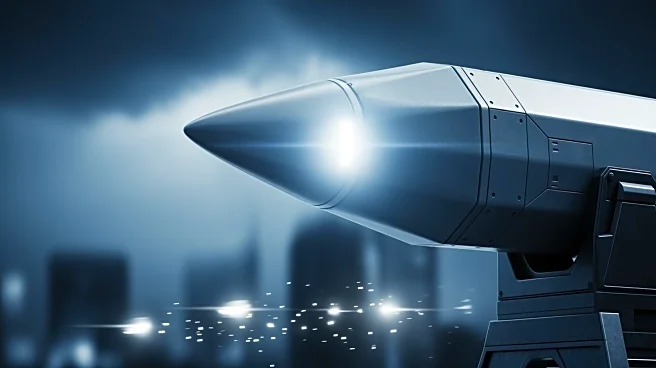
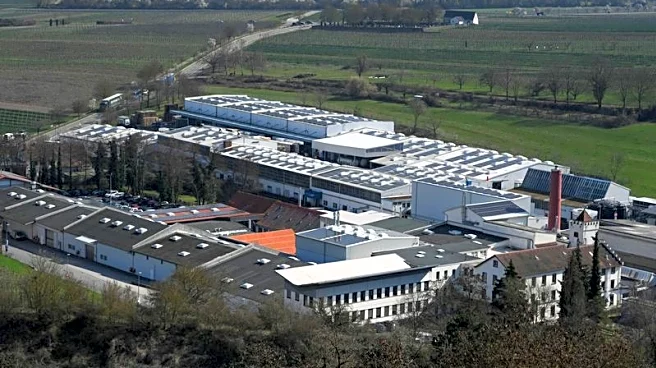
from Chinese electric vehicle manufacturers. The proposed plan involves repurposing Volkswagen's Osnabruck plant to manufacture key components such as launch platforms and power units for the Iron Dome system. This shift in production highlights a broader trend within German industry towards defense manufacturing, supported by the German government. Historically, Volkswagen had shifted to arms production during World War II, and this potential move echoes that past. The discussions are part of a larger context where Germany has increased its military spending and strengthened defense ties with Israel, including a recent $3.1 billion deal to purchase Israel's Arrow 3 missile defense system.
Why It's Important?
The potential shift by Volkswagen to produce missile defense components for Israel underscores significant changes in both the automotive and defense industries. For Volkswagen, this move could represent a strategic pivot to diversify its production capabilities amid challenges in the automotive sector, particularly from Chinese competitors. For Germany, deepening defense ties with Israel could enhance its geopolitical influence and support its defense industry. This development also reflects Germany's commitment to bolstering its military capabilities and supporting allies like Israel, despite international controversies surrounding Israel's actions in Gaza. The collaboration could further solidify Germany's position as a key supplier of military technology to Israel, second only to the United States.
What's Next?
If Volkswagen proceeds with the plan, production of Iron Dome components could begin within 12 to 18 months, requiring limited new investment. This timeline suggests a relatively quick transition, which could have implications for both the automotive and defense sectors in Germany. The move may prompt reactions from various stakeholders, including political leaders and civil society groups, given the historical and ethical considerations of Volkswagen's involvement in arms production. Additionally, the strengthening of defense ties between Germany and Israel may influence broader geopolitical dynamics, particularly in the context of ongoing tensions in the Middle East.
Beyond the Headlines
The potential involvement of Volkswagen in defense production raises ethical and historical questions, given its past role in arms manufacturing during World War II. This development could spark debates about the responsibilities of corporations in military conflicts and the ethical implications of their business decisions. Furthermore, the shift towards defense production may signal a long-term trend in the German industrial landscape, where traditional manufacturing sectors increasingly align with military and defense needs. This could lead to broader discussions about the role of industry in national security and the balance between economic interests and ethical considerations.