





What's Happening?
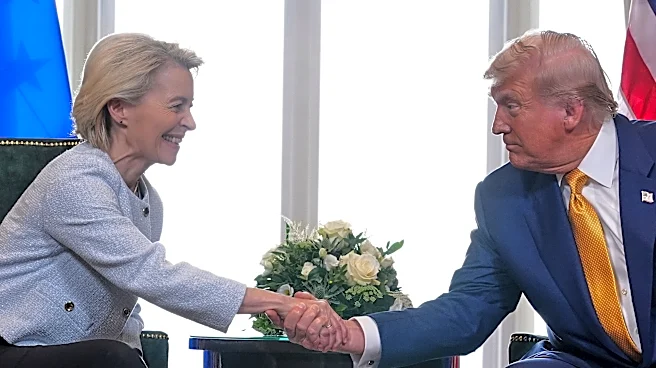
The Trump administration has proposed new tariffs of up to 12.5% on imports from China and other trading partners, citing insufficient action against forced labor. The proposal has been met with strong opposition from China and the European Union, who
argue that the U.S. is using forced labor allegations as a pretext for protectionist measures. The tariffs are part of a broader strategy to rebuild the U.S. tariff regime following recent court setbacks. The proposal is subject to public comment and hearings before a final decision is made.
Why It's Important?
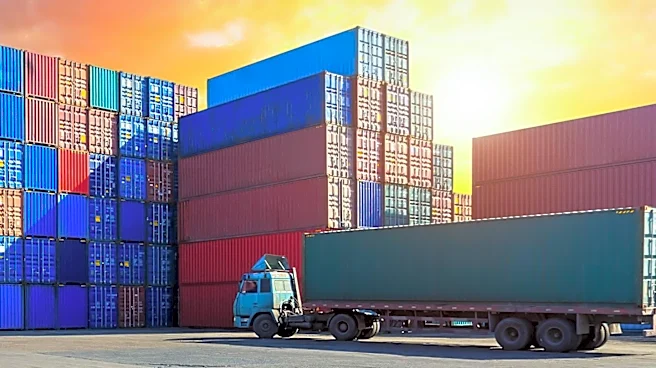
The proposed tariffs highlight ongoing tensions in international trade relations, particularly between the U.S., China, and the EU. The move could exacerbate trade disputes and impact global supply chains, potentially leading to higher costs for consumers and businesses. The criticism from China and the EU underscores the challenges the U.S. faces in balancing domestic economic interests with international obligations. The tariffs could also affect diplomatic relations and economic cooperation with key allies.
What's Next?
The proposed tariffs will undergo a public comment period and hearings before being finalized. The outcome of these measures will depend on international responses and potential legal challenges. The administration's trade policy will continue to evolve as it seeks to address forced labor and other trade practices. The U.S. will need to navigate complex diplomatic and economic dynamics to achieve its trade objectives.