




What's Happening?
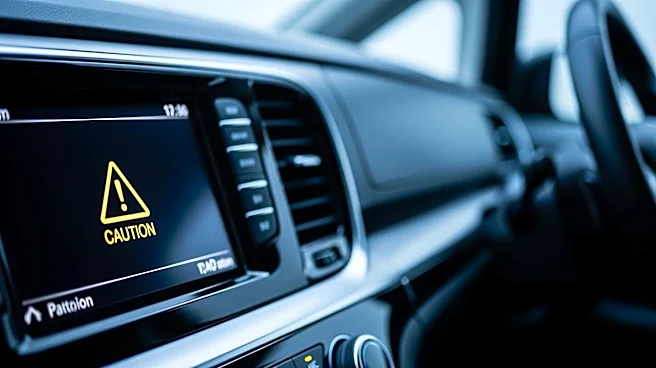
Honda has announced a voluntary recall of approximately 440,000 Odyssey minivans manufactured between 2018 and 2022. The recall is due to overly sensitive side curtain and side airbag deployment calibrations, which could trigger airbag deployment from
minor impacts such as potholes, speed bumps, or road debris. This issue poses an increased risk of crash or injury. Honda, one of Ohio's largest employers, has reported 25 injuries related to this defect but no fatalities. Affected vehicle owners will be notified by mail, and authorized Honda dealerships will offer reprogramming or replacement of the airbag systems.
Why It's Important?
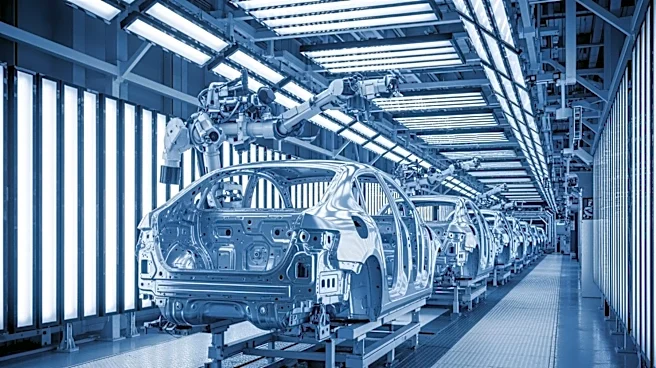
The recall highlights significant safety concerns that could affect consumer trust in Honda's vehicles. Addressing these issues is crucial for maintaining the brand's reputation and ensuring customer safety. The recall also underscores the importance of rigorous testing and quality control in automotive manufacturing. For Honda, resolving this issue promptly is essential to prevent further injuries and potential legal liabilities. The recall may impact Honda's sales and market position, as consumers may opt for competitors with perceived safer vehicles.
What's Next?
Honda will likely focus on rectifying the airbag deployment issue through dealership interventions and customer communications. The company may also review its manufacturing and quality assurance processes to prevent similar issues in the future. Regulatory bodies could monitor Honda's response to ensure compliance with safety standards. Additionally, Honda might implement enhanced safety features in future models to restore consumer confidence and mitigate the impact of the recall on its brand image.
Beyond the Headlines
The recall could prompt broader discussions within the automotive industry about safety standards and the need for advanced testing protocols. It may also lead to increased scrutiny from regulatory agencies, influencing future safety regulations. The incident highlights the challenges manufacturers face in balancing technological advancements with safety concerns, potentially driving innovation in airbag systems and other safety features. Consumer advocacy groups may use this recall to push for more transparency and accountability in vehicle safety.