





What's Happening?
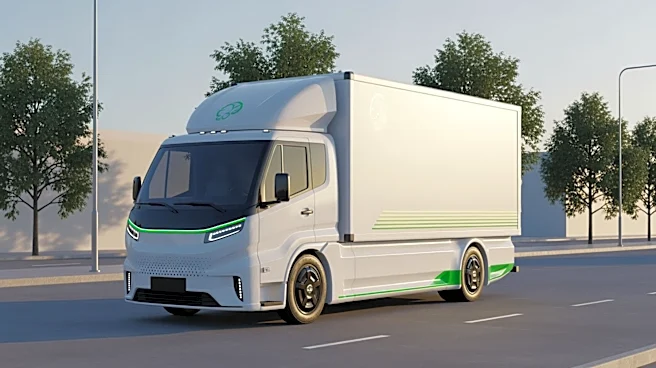
Marks & Spencer (M&S) is set to expand its fleet of low-emission heavy goods vehicles by incorporating new biomethane-powered trucks throughout 2026. This initiative is part of M&S's broader strategy to reduce transport emissions and achieve its net zero
goals. Currently, M&S operates over 210 bio-CNG trucks, and this number is expected to increase to more than 300 by March 2027. The new trucks are capable of delivering up to 85% lower CO2 emissions compared to traditional diesel models. To facilitate this transition, M&S has entered into a long-term agreement with CNG Fuels to provide mobile refueling stations at its distribution centers, which will have the capacity to refuel over 300 trucks daily. This move follows M&S's previous investment in 85 lower-emission vehicles last year.
Why It's Important?
The expansion of M&S's low-emission truck fleet is a significant step towards reducing the carbon footprint of its logistics operations. By transitioning to biomethane-powered vehicles, M&S is not only aligning with global sustainability trends but also setting a precedent for other retailers to follow. This initiative supports the company's Plan A Net Zero ambitions, which aim to minimize environmental impact and promote sustainable practices. The reduction in CO2 emissions from the logistics sector is crucial for meeting climate targets and can lead to cost savings in fuel and maintenance. Additionally, this move may enhance M&S's brand image as a leader in sustainability, potentially attracting environmentally conscious consumers and investors.
What's Next?
As M&S continues to roll out its biomethane-powered trucks, the company will likely monitor the performance and efficiency of these vehicles to ensure they meet the expected environmental benefits. The success of this initiative could encourage M&S to explore further innovations in sustainable logistics, such as increasing the number of battery electric vehicles in its fleet. Other retailers may also be prompted to adopt similar strategies, leading to a broader industry shift towards low-emission transportation solutions. Stakeholders, including environmental groups and government agencies, may closely watch M&S's progress as a case study for effective carbon reduction in the retail sector.