



What's Happening?
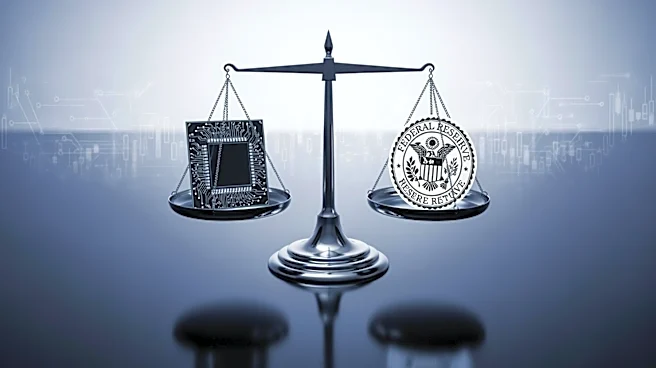
Kevin Warsh, nominated by President Trump to lead the Federal Reserve, is set to face a Senate Banking Committee hearing. Warsh, known for his ties to Silicon Valley and tech investments, could become the wealthiest and most tech-savvy Fed chair in history.
His connections with tech leaders like Peter Thiel and Marc Andreessen have shaped his views on how technology can transform the U.S. economy. Warsh's tenure could mark a significant shift from previous Fed chairs, as he has been critical of current Fed policies, particularly regarding the balance sheet and data used for policy decisions. His belief in the transformative power of AI and technology informs his advocacy for lower interest rates, which aligns with President Trump's economic goals.
Why It's Important?
Warsh's potential leadership at the Fed could introduce a new era of monetary policy influenced by technological advancements. His tech-centric approach may lead to policy changes that prioritize innovation and productivity gains, potentially affecting interest rates and economic growth. This shift could benefit tech industries and investors but may also raise concerns about the Fed's independence and the influence of private tech interests. Warsh's wealth and connections to Silicon Valley could lead to scrutiny over potential conflicts of interest, especially as he pledges to divest from certain holdings. His nomination reflects broader trends of integrating technology into economic policy-making, which could have long-term implications for the U.S. economy.
What's Next?
Warsh's confirmation process will likely involve intense scrutiny from the Senate, particularly regarding his financial holdings and the perception of his nomination as aligning with President Trump's interests. The Senate Banking Committee will question Warsh on his views about the Fed's independence and his plans for monetary policy. If confirmed, Warsh's leadership could lead to significant changes in how the Fed approaches interest rates and economic growth, potentially impacting markets and financial stability. The outcome of his confirmation could also influence future nominations and the role of technology in economic policy.