



What's Happening?
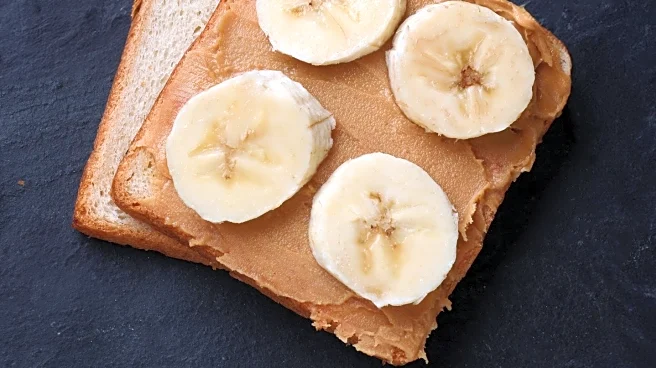
Nutritionists have identified several snacks that can be beneficial when consumed before bedtime, countering the common belief that late-night snacking is inherently harmful. According to experts, the right snacks can promote better sleep and aid digestion. Recommended snacks include protein and carbohydrate pairings, as well as foods rich in magnesium, melatonin, and tryptophan. These nutrients are known to support relaxation and stabilize blood sugar levels, which can enhance sleep quality. Specific examples include pistachios, walnuts, and pumpkin seeds, which are rich in melatonin and omega-3 fatty acids. Additionally, tart cherries and bananas are suggested for their ability to slow carbohydrate digestion and prevent glucose spikes. The advice
emphasizes moderation, suggesting small portions to avoid overstimulation and ensure a restful night.
Why It's Important?
The recommendations from nutritionists highlight the potential health benefits of mindful late-night snacking, challenging the stigma associated with eating before bed. By choosing snacks that support sleep and digestion, individuals can improve their overall well-being. This approach is particularly relevant for those with irregular work schedules or those who experience hunger before sleep. The focus on nutrient-rich snacks aligns with broader health trends that prioritize balanced diets and holistic wellness. As more people seek to optimize their sleep and digestive health, these insights could influence dietary habits and consumer choices, potentially impacting the food industry by increasing demand for healthy snack options.
What's Next?
As awareness of the benefits of specific bedtime snacks grows, it is likely that more individuals will incorporate these recommendations into their nightly routines. This could lead to increased interest in nutritional education and a shift in consumer behavior towards healthier snack options. The food industry may respond by developing and marketing products that cater to this demand, emphasizing ingredients that promote sleep and digestion. Additionally, further research into the relationship between diet and sleep could provide deeper insights, potentially influencing public health guidelines and dietary recommendations.
Beyond the Headlines
The emphasis on healthy bedtime snacks reflects a broader cultural shift towards wellness and self-care. As people become more conscious of their health, there is a growing interest in understanding how diet affects various aspects of life, including sleep. This trend is part of a larger movement towards personalized nutrition, where individuals tailor their diets to meet specific health goals. The focus on sleep-supporting foods also highlights the interconnectedness of diet, mental health, and overall well-being, encouraging a more holistic approach to health management.