

What's Happening?
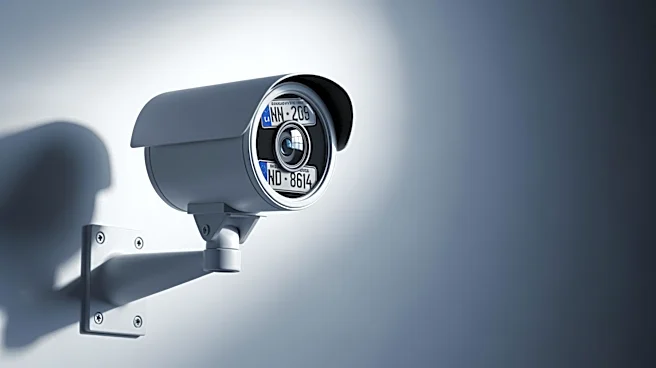
Home Depot is under scrutiny following a class action lawsuit filed in California, alleging the company uses license plate reader (LPR) technology in its parking lots for covert surveillance. The lawsuit claims that Home Depot collects data on customer
movements and shares it with law enforcement, raising privacy concerns. The company has confirmed the use of LPR technology as a security measure to prevent theft and ensure customer safety. However, privacy advocates warn that such systems can create extensive databases of consumer behavior, potentially accessible to law enforcement and other entities. The technology is part of a broader trend among retailers to combat organized retail theft, but it has sparked debate over privacy and data sharing practices.
Why It's Important?
The use of LPR technology by Home Depot highlights the growing tension between security measures and privacy rights. As retailers increasingly adopt surveillance technologies to address theft, concerns about data privacy and potential misuse of information are rising. This case could set a precedent for how companies balance security needs with consumer privacy. If the lawsuit succeeds, it may lead to stricter regulations on data collection and sharing practices, impacting how retailers nationwide implement surveillance technologies. The outcome could influence public policy and consumer trust in major retail chains, affecting their reputation and customer relationships.
What's Next?
The legal proceedings in California will likely explore the extent of Home Depot's data sharing with law enforcement and the legality of its surveillance practices. Depending on the case's outcome, there could be increased regulatory scrutiny on the use of LPR technology by retailers. Companies may need to reassess their privacy policies and data handling practices to comply with potential new regulations. Additionally, consumer advocacy groups might push for more transparency and limitations on data retention and sharing, influencing future legislative actions.