



What's Happening?
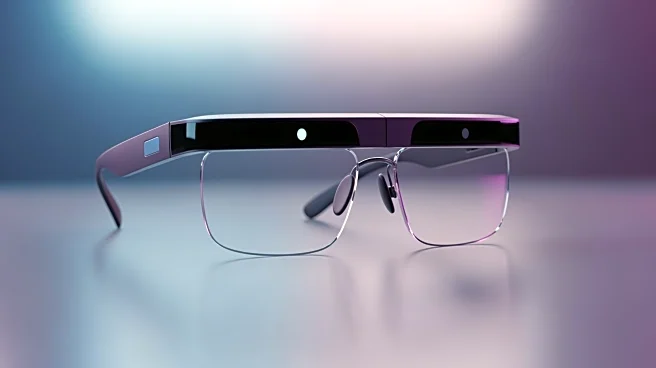
Snap Inc has announced the establishment of Specs Inc, a standalone unit dedicated to augmented reality (AR) hardware, set to launch in 2026. This move is part of Snap's strategy to accelerate product development and attract outside capital, as the company seeks to diversify its revenue streams beyond its core advertising business. Specs Inc will focus on developing AR glasses with advanced AI features, aiming to integrate digital experiences with the real world. Snap plans to recruit nearly 100 global positions to support this initiative, having invested $3 billion in AR development over the past 11 years. The spinout is seen as a strategic response to supply chain challenges and Meta's dominant market share in the AR sector.
Why It's Important?
The creation of
Specs Inc represents a significant shift in Snap's business model, as it seeks to capitalize on the growing demand for AR technology. By establishing a separate entity, Snap can focus on hardware development without impacting its advertising-focused balance sheet. This move could potentially lead to earlier access to consumer-friendly AR hardware, offering investors a clearer valuation of wearable technology growth. The success of Specs Inc could redefine the AR market, moving it from novelty applications to essential daily tools. However, execution risks remain, including supply chain management and user adoption challenges.
What's Next?
As Specs Inc prepares for its 2026 launch, Snap will need to secure partnerships with retail, optics, and AI companies to ensure successful ecosystem integration. The company aims to accelerate product development and provide clearer pricing signals to attract mainstream buyers. Industry analysts are closely watching Snap's ability to overcome hardware pitfalls that have hindered previous AR efforts. The success of Specs Inc could influence the broader AR market, encouraging other companies to invest in similar technologies.
Beyond the Headlines
The establishment of Specs Inc highlights the evolving landscape of AR technology, as companies seek to blend digital and real-world experiences. This development raises questions about the ethical use of AI in consumer products and the potential impact on privacy and data security. As AR technology becomes more integrated into daily life, it may also influence cultural perceptions of reality and digital interaction.