






What's Happening?
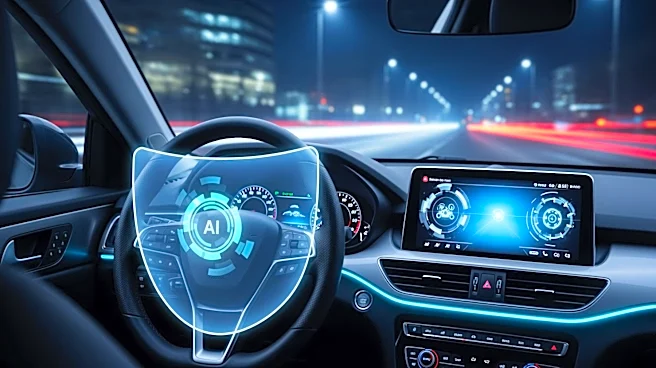
Motive has launched a suite of AI-powered driver safety tools aimed at detecting and preventing risky driving behaviors such as fatigue, eating, and potential collision events in real time. These tools are part of Motive's AI platform for physical operations,
designed to provide organizations with early visibility into unsafe driving behaviors and improve incident response. The new features include AI-powered Fatigue Detection, Eating Detection, and Collision Detection. Fatigue Detection identifies warning signs like yawning and lane swerving, while Eating Detection flags high-risk distractions when food is consumed for more than five seconds. Collision Detection uses telematics and computer vision to identify low-severity incidents. The system operates with on-device AI and existing AI dashcams, requiring no additional hardware, and integrates an Event Validation Engine to reduce false positives.
Why It's Important?
The introduction of these AI tools by Motive is significant as it addresses the critical issue of road safety by targeting some of the most preventable causes of collisions—distraction and fatigue. By providing real-time detection and intervention capabilities, these tools can potentially reduce the number of road accidents, thereby saving lives and reducing costs associated with vehicle damage and insurance claims. For businesses, this technology offers a way to enhance fleet safety, improve operational efficiency, and reduce liability risks. The ability to detect subtle signs of risky behavior before they escalate into serious incidents represents a major advancement in driver safety technology.
What's Next?
As these AI tools are implemented, organizations may begin to see a reduction in collision rates and associated costs. The success of these tools could lead to broader adoption across various industries that rely on vehicle fleets, such as logistics and transportation. Additionally, the data collected from these systems could be used to further refine and improve AI algorithms, leading to even more accurate detection and prevention capabilities in the future. Stakeholders, including insurance companies and regulatory bodies, may also take an interest in the outcomes of these implementations, potentially influencing policy and insurance premium structures.