



What's Happening?
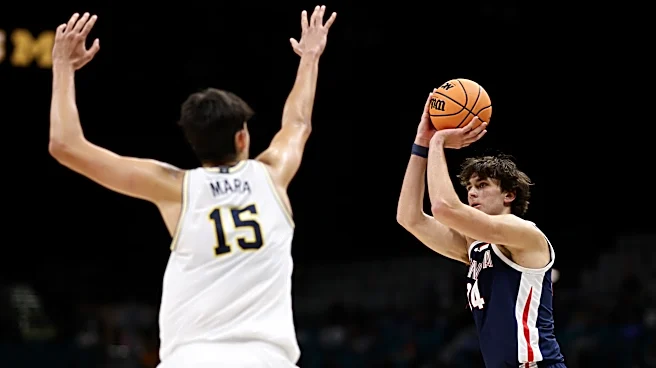
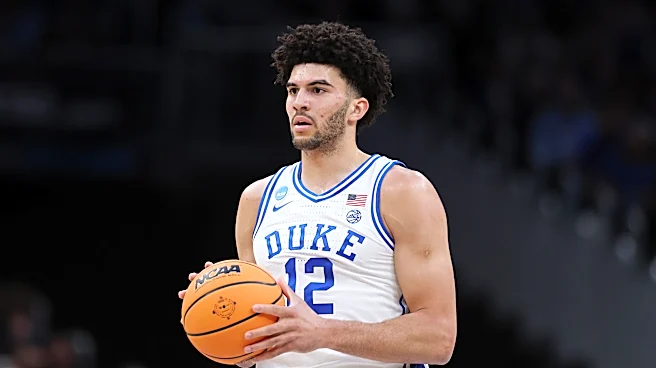
The Players Era 2026 basketball tournaments have been announced, featuring 24 teams competing in Las Vegas for significant Name, Image, and Likeness (NIL) paydays. This event, now in its third year, has expanded from 18 to 24 teams, with ESPN as the new
broadcast partner. The tournaments will take place in November, with the Players Era 8 bracket running from November 17-19 and the Players Era 16 bracket from November 24-28. Notable teams participating include Florida, Michigan, Gonzaga, and Tennessee, many of which were part of last year's NCAA Tournament. The event will be held at T-Mobile Arena and Michelob Ultra Arena, with a total of 37 games scheduled, making it the largest regular-season event in college basketball history.
Why It's Important?
The Players Era tournaments highlight the growing influence of NIL opportunities in college sports, offering substantial financial incentives to participating schools and athletes. This expansion reflects the increasing commercialization of college athletics, where players can now benefit financially from their personal brands. The involvement of major teams and a prominent broadcaster like ESPN underscores the event's significance in the college basketball landscape. It also provides a platform for athletes to showcase their talents on a national stage, potentially impacting their future professional careers. The tournaments' success could influence how other college sports events are structured, emphasizing the importance of NIL deals in collegiate athletics.
What's Next?
As the tournaments approach, teams will prepare for the competitive matchups, with the potential for significant NIL earnings adding an extra layer of motivation. The event's organizers will finalize game schedules and television broadcast details, ensuring maximum exposure. Stakeholders, including college athletic departments and sponsors, will closely monitor the tournaments' outcomes to assess the impact of NIL opportunities on team performance and fan engagement. The success of these tournaments could lead to further expansion and increased NIL opportunities in future college sports events.