






What's Happening?
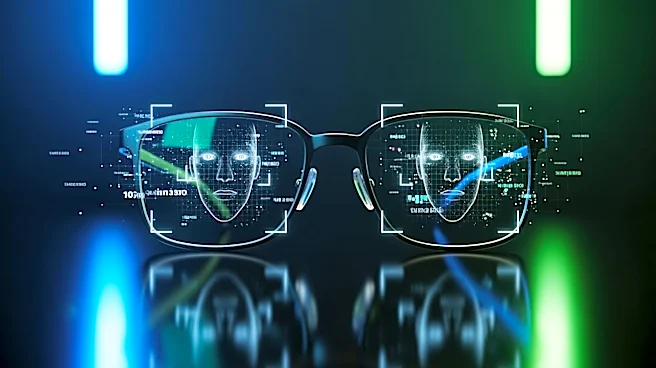
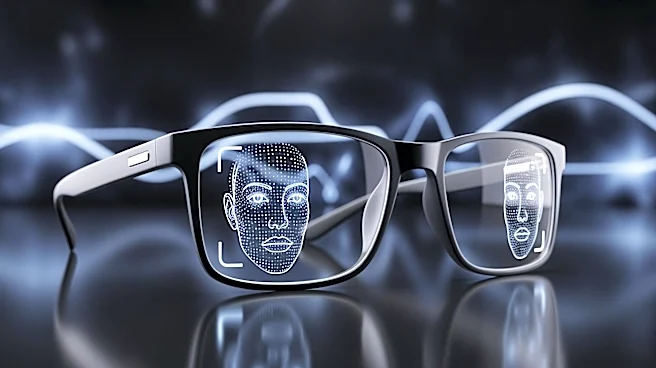
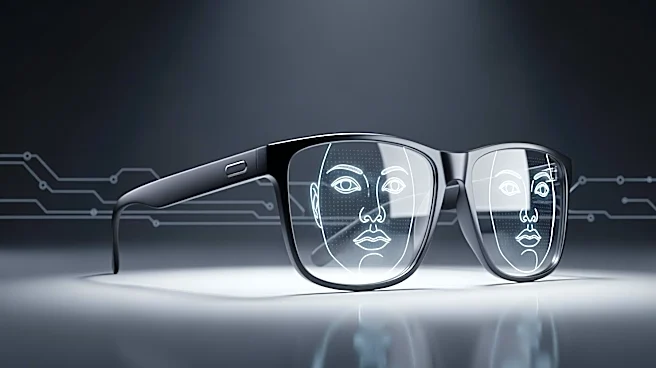
Meta is under scrutiny following a report by Wired that revealed the company had embedded facial recognition technology into its smart glasses. The feature, known as 'NameTag,' was discovered in the Meta AI app's code and is designed to convert faces
captured by the glasses into biometric signatures, or faceprints, which are then checked against a database on the user's phone. Although the feature is not yet active or available to consumers, its potential release has raised significant privacy concerns. Meta executives have criticized the report, labeling it as misleading and sensational. The company maintains that the feature is exploratory and not intended for immediate release, emphasizing that no central face database is being built.
Why It's Important?
The controversy surrounding Meta's potential use of facial recognition technology in consumer products highlights ongoing privacy and ethical concerns in the tech industry. If implemented, such technology could transform smart glasses into tools for widespread surveillance, raising alarms among privacy advocates and civil society groups. The backlash reflects broader societal apprehensions about biometric data usage and the potential for abuse. Meta's history of legal challenges related to biometric data, including a $1.4 billion settlement with Texas, underscores the high stakes involved. The situation illustrates the delicate balance tech companies must maintain between innovation and consumer privacy rights.
What's Next?
While Meta has not committed to launching the NameTag feature, the company is likely to face continued scrutiny from privacy advocates and regulatory bodies. Should Meta decide to proceed with the feature, it will need to navigate complex legal and ethical landscapes, potentially involving consultations with privacy experts and civil society organizations. The company's approach to transparency and consumer consent will be critical in shaping public perception and regulatory responses. Additionally, the broader tech industry may watch closely, as the outcome could set precedents for the integration of biometric technologies in consumer products.
Beyond the Headlines
The debate over Meta's facial recognition technology in smart glasses touches on deeper issues of trust and accountability in the tech industry. As companies increasingly explore biometric solutions, the need for robust ethical frameworks and regulatory oversight becomes more pressing. The potential for such technologies to be used in surveillance raises questions about individual freedoms and the role of technology in society. This case may prompt broader discussions about the limits of technological innovation and the responsibilities of tech companies to protect user privacy.