
What's Happening?
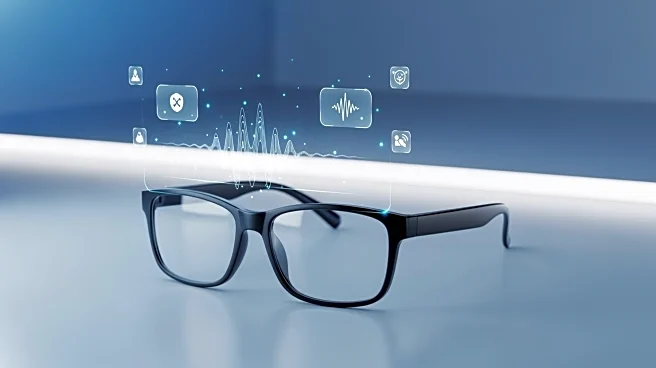
Meta has announced a significant update to its AI-powered smart glasses, known as the V21 release, which was rolled out on December 16, 2025. This update introduces a conversation-focus mode that utilizes
open-ear speakers to amplify the voice of the person you are speaking with. Additionally, a new Spotify scene-detection feature has been integrated, allowing music to play based on what the user is looking at. Initially, these features are available to Ray-Ban Meta and Oakley Meta HSTN wearers in the U.S. and Canada through Early Access. The update aims to transition smart glasses from novelty items to practical, everyday tools, enhancing their utility for users.
Why It's Important?
The V21 update is pivotal as it marks a shift in the smart glasses market from being seen as lifestyle gadgets to becoming assistive, AI-driven tools. With a reported 110% increase in global smart-glasses shipments in the first half of 2025, and Meta holding a 73% market share, the new features could significantly impact user adoption. The conversation-focus tool, in particular, offers practical benefits for individuals with hearing difficulties or those in noisy environments, potentially replacing makeshift audio solutions. However, the integration of these features raises privacy concerns, as they involve processing and storing audio and scene data, which may attract scrutiny from regulators and privacy advocates.
What's Next?
As the V21 update becomes more widely available, it is expected that more users will adopt smart glasses for their assistive capabilities. Developers may also be encouraged to create more scene-aware applications that can trigger various functionalities like music, directions, or captions. However, the expansion of these features may prompt regulatory bodies to demand clearer privacy controls and guidelines on data processing. The broader rollout planned for 2026 will likely see increased debate over the balance between convenience and privacy in wearable technology.
Beyond the Headlines
The introduction of these new features in smart glasses could lead to a cultural shift in how wearable technology is perceived and used. As these devices become more integrated into daily life, they may influence social norms around technology use and personal privacy. The potential for smart glasses to assist with hearing and environmental awareness could also drive innovation in accessibility technology, offering new opportunities for individuals with disabilities. However, the ethical implications of data collection and surveillance through such devices will remain a critical area of discussion.