


What's Happening?
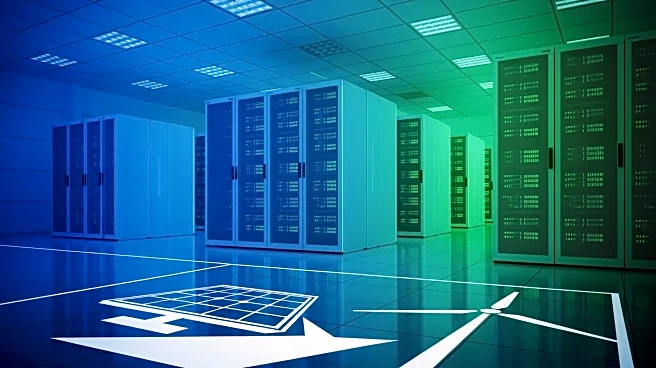
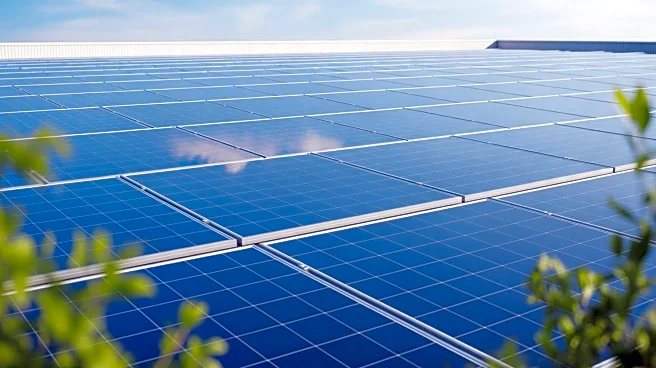
California is experiencing a surplus of renewable energy, with 3.4 terawatt-hours curtailed in 2024 due to transmission capacity limits. Researchers propose using this excess energy to power data centers and industrial activities, particularly in the
Central Valley. By situating data centers near renewable energy sources and utilizing battery storage, the state could optimize energy use and reduce reliance on fossil fuels. This approach aligns with broader efforts to integrate renewable energy into industrial operations and address grid congestion.
Why It's Important?
The proposal to use curtailed renewable energy for data centers and industry highlights the potential for innovative solutions to energy challenges. By leveraging surplus renewable energy, California could reduce emissions, improve air quality, and support economic development in regions like the Central Valley. This strategy also addresses the growing energy demands of data centers, driven by advancements in AI and other technologies. Successfully integrating renewable energy into industrial operations could serve as a model for other states and contribute to national efforts to transition to a cleaner energy future.
What's Next?
Implementing this strategy will require collaboration between government, industry, and energy providers to develop infrastructure and regulatory frameworks that support renewable energy integration. Policymakers may need to consider incentives and rate structures that encourage the use of surplus energy. Additionally, ongoing research and investment in energy storage technologies will be crucial to maximize the benefits of renewable energy. As California continues to lead in renewable energy innovation, its efforts could influence national and global energy policies.