





What's Happening?
Aon's latest report highlights a favorable environment for commercial insurance buyers as 2026 begins, with improved capacity, flexible underwriting, and competitive pricing across major lines. This trend is driven by strong insurer profitability and supportive
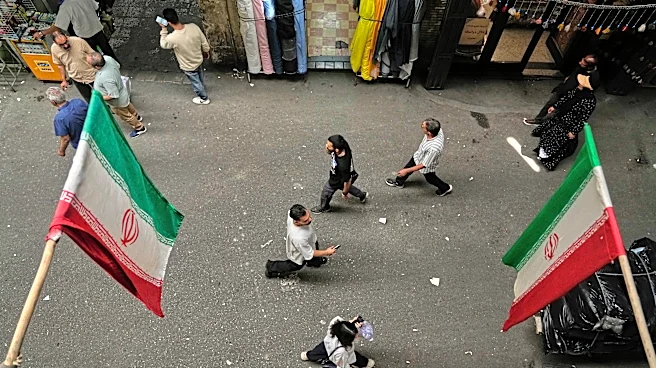
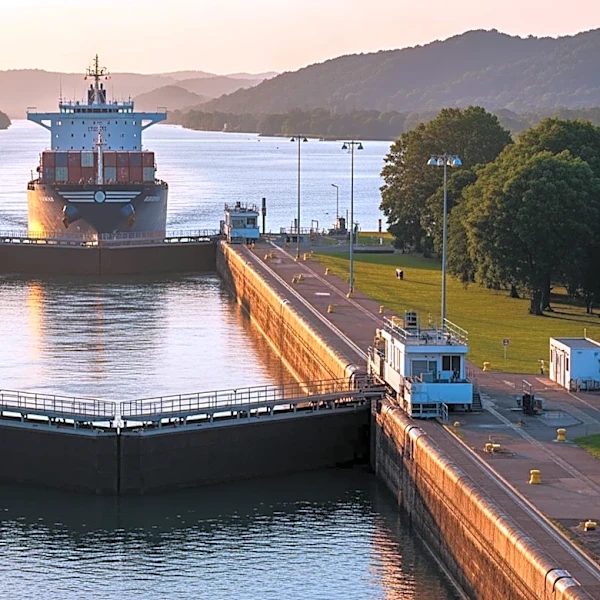
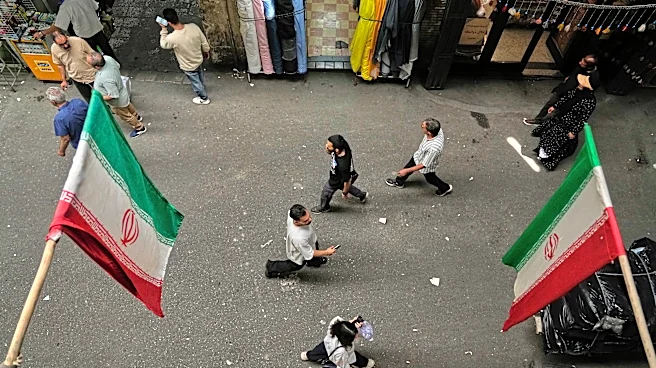
reinsurance renewals, allowing organizations to secure higher limits and broader coverage. However, Aon warns that outcomes are becoming more varied, influenced by factors such as risk quality, geography, and industry exposure. Rising geopolitical tensions, particularly in the Middle East, are impacting underwriting appetite and claims activity, especially in marine, aviation, property, cyber, and political violence insurance. Disruptions in key trade routes like the Strait of Hormuz have increased supply chain risks and energy price volatility, affecting policy language and capacity. Despite these challenges, the overall marine insurance market remains soft, with sufficient capacity and support from the London market.
Why It's Important?
The softening of insurance pricing and increased leverage for buyers could have significant implications for U.S. businesses, particularly those involved in international trade and logistics. With geopolitical tensions affecting key trade routes, companies may face increased risks and costs, necessitating more strategic risk management and insurance planning. The ability to secure broader coverage and higher limits at competitive prices could provide businesses with greater financial protection and operational flexibility. However, the variability in outcomes based on risk quality and industry exposure underscores the importance of early risk assessment and resilience planning. As insurers tighten policy language and adjust capacity, businesses must remain vigilant and proactive in managing their insurance portfolios to mitigate potential disruptions.
What's Next?
As geopolitical tensions continue to influence the insurance market, businesses and insurers alike will need to adapt to the evolving landscape. Companies may need to reassess their risk management strategies and explore alternative insurance solutions to address emerging challenges. Insurers, on the other hand, may continue to refine their underwriting criteria and policy terms to better align with the changing risk environment. The ongoing developments in the Middle East and other geopolitical hotspots will likely remain a focal point for the insurance industry, with potential implications for pricing, capacity, and claims activity. Stakeholders will need to closely monitor these trends and adjust their strategies accordingly to navigate the complexities of the global insurance market.