





What's Happening?
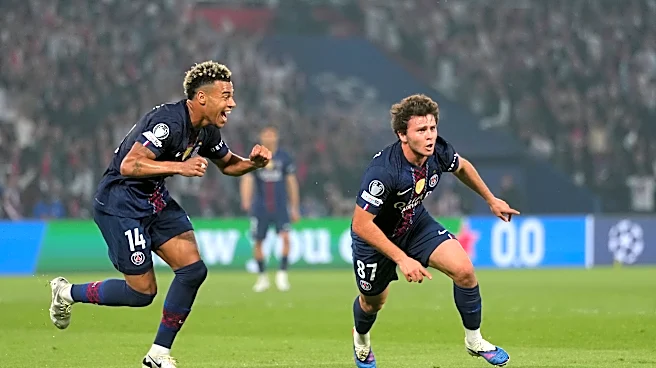
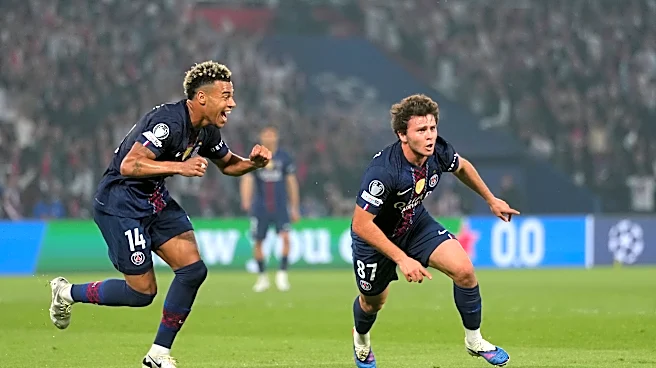
Paris Saint-Germain (PSG) secured a thrilling 5-4 victory over Bayern Munich in the first leg of the Champions League semi-final, setting new goalscoring records for the tournament. The match, which took place in Paris, was characterized by a high-risk,
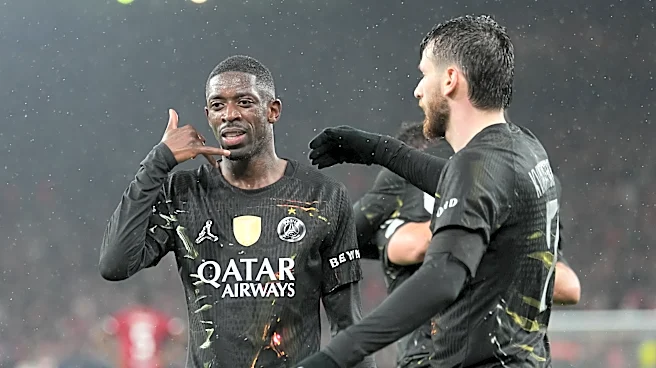
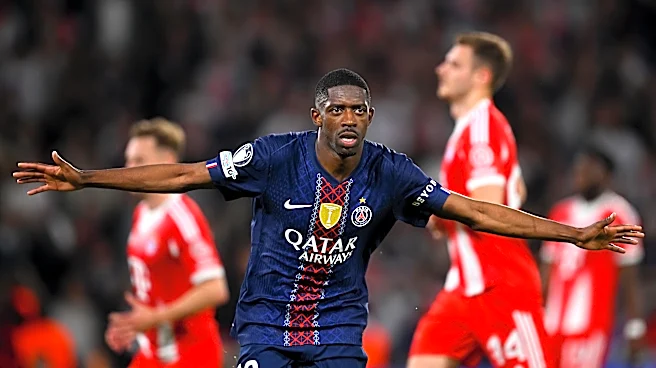
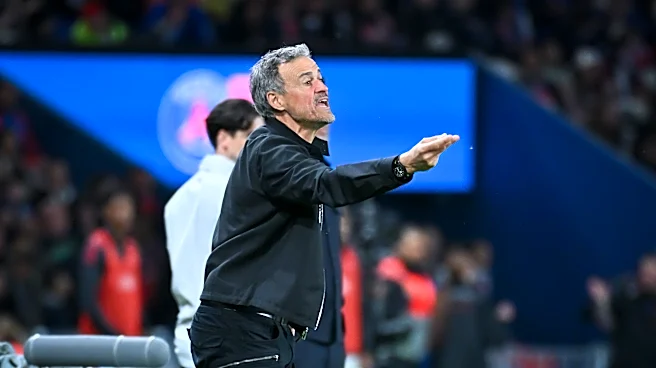
high-reward strategy embraced by both teams, leading to an unusually high number of goals. PSG's coach, Luis Enrique, and player Ousmane Dembele emphasized their commitment to an attacking philosophy, which has been a hallmark of their recent performances. This approach has not only brought success on the field but also captivated fans with its entertainment value. The game is part of a broader trend in the Champions League, where the average number of goals per game has increased significantly, reflecting a shift towards more offensive play.
Why It's Important?
The high-scoring nature of the PSG vs. Bayern match could influence perceptions of soccer, particularly in the United States, where the sport has traditionally been criticized for its low-scoring games. By adopting a more aggressive and entertaining style, teams like PSG are making soccer more appealing to audiences accustomed to high-scoring sports like basketball and American football. This shift could lead to increased viewership and popularity of soccer in the U.S., potentially impacting broadcasting rights, sponsorship deals, and the overall growth of the sport in the country. Additionally, the success of this strategy may encourage other teams to adopt similar tactics, further transforming the landscape of international soccer.
What's Next?
As PSG and Bayern prepare for the second leg of the semi-final in Munich, both teams are expected to maintain their attacking strategies. This approach promises another exciting match, with both sides aiming to outscore the other to secure a place in the final. The outcome of this match could further validate the high-risk, high-reward strategy and influence other teams in the Champions League and beyond to adopt similar tactics. The continued success of this approach may also lead to changes in coaching philosophies and player recruitment, as teams seek to build squads capable of executing this style of play effectively.
Beyond the Headlines
The trend towards high-scoring games in soccer raises questions about the balance between offense and defense. While entertaining for fans, this approach can leave teams vulnerable to counterattacks and defensive lapses. Coaches and analysts may need to find ways to mitigate these risks while maintaining the excitement of high-scoring matches. Additionally, this shift could impact the development of young players, as clubs may prioritize offensive skills over traditional defensive training. The long-term effects on the sport's tactical evolution and player development remain to be seen.