
What's Happening?
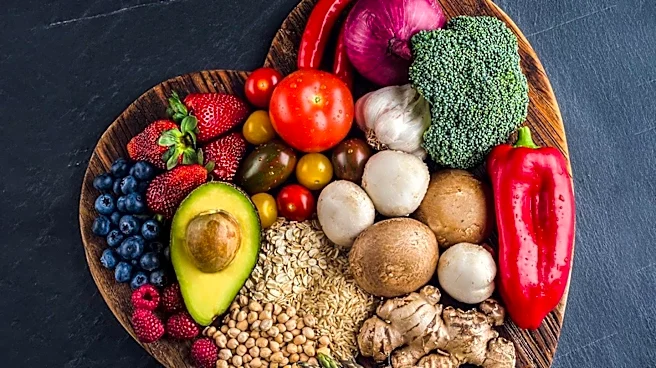
The American Heart Association (AHA) has released updated dietary guidelines aimed at reducing the risk of heart disease. The new guidelines emphasize the importance of consuming a variety of fruits, vegetables,
and whole grains while minimizing the intake of ultra-processed foods, high sodium, and added sugars. The AHA highlights the risks associated with ultra-processed foods, which include increased chances of cardiovascular disease, cancer, and other health issues. The guidelines also suggest limiting alcohol consumption, as recent studies show little to no heart health benefits from moderate drinking. The AHA's recommendations are designed to be flexible, accommodating various lifestyles and budgets, and align with diets such as the Mediterranean and DASH diets.
Why It's Important?
These updated guidelines are significant as they address the rising rates of cardiovascular diseases, which are a leading cause of death in the U.S. By focusing on reducing the intake of harmful foods and promoting healthier alternatives, the AHA aims to improve public health outcomes. The emphasis on whole foods and reduced alcohol consumption reflects a shift towards more sustainable and health-conscious eating habits. This could lead to a decrease in healthcare costs associated with treating heart-related illnesses and improve the overall quality of life for many Americans. The guidelines also encourage a broader societal shift towards healthier food production and consumption practices.