




What's Happening?
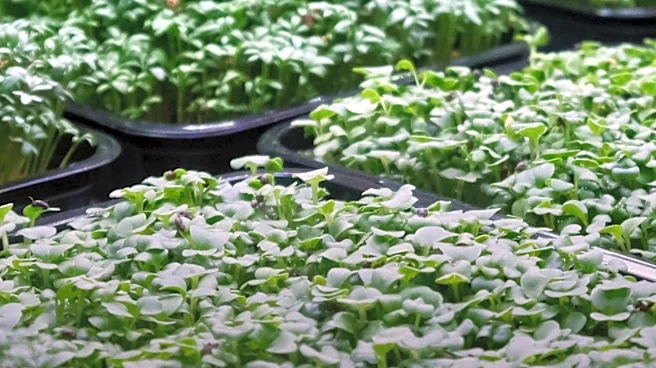
As spring arrives, many individuals are looking to start their own gardens, even those without outdoor space. Experts suggest that beginners can successfully grow edible plants such as basil, zucchini, beans, and cucumbers indoors. Starting seeds indoors is
recommended to manage conditions like light, moisture, and warmth, which is particularly beneficial in colder climates. For those who are late in the growing season, using seedlings can bypass the seed germination process. Fertilizers, such as Fox Farm’s all-purpose powder, are advised to enhance water absorption and provide essential nutrients. The use of grow lights and seedling mats can further support indoor gardening efforts.
Why It's Important?
The trend of indoor gardening is significant as it allows individuals without traditional garden spaces to engage in sustainable practices and grow their own food. This can lead to increased self-sufficiency and a reduction in grocery costs. Additionally, indoor gardening can contribute to improved mental health by providing a calming and rewarding hobby. The ability to grow food indoors also supports urban living, where outdoor space is often limited. This movement towards home gardening reflects a broader societal shift towards sustainability and environmental consciousness.
What's Next?
As more people adopt indoor gardening, there may be an increase in demand for gardening supplies tailored to small spaces, such as compact grow lights and portable planters. Retailers and manufacturers might expand their product lines to cater to this growing market. Additionally, educational resources and workshops on indoor gardening techniques could become more prevalent, helping beginners to successfully cultivate their own edible gardens. This trend could also influence urban planning and housing design, encouraging the inclusion of spaces conducive to indoor gardening.
Beyond the Headlines
The rise of indoor gardening could have long-term implications for food security, particularly in urban areas. By enabling individuals to grow their own food, communities may become less reliant on external food sources, which can be vulnerable to disruptions. This practice also promotes biodiversity, as gardeners may choose to grow a variety of plants that are not typically available in local markets. Furthermore, indoor gardening can foster a greater appreciation for nature and the environment, potentially influencing consumer behavior and policy decisions related to sustainability.