




What's Happening?
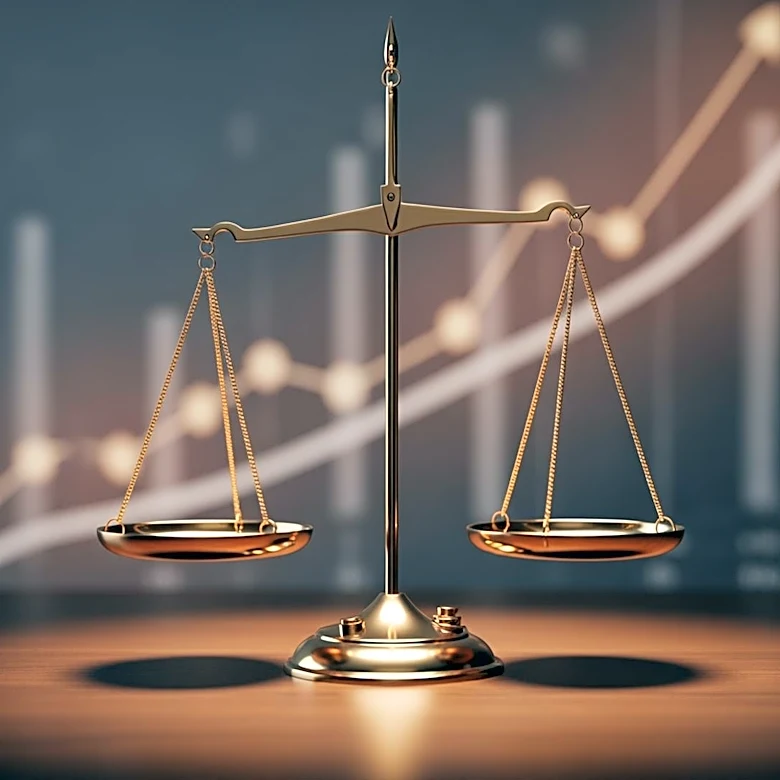
Gold prices increased by over 1% as the U.S. dollar weakened and hopes emerged for the resumption of U.S.-Iran talks. Spot gold rose to $4,808.69 per ounce, while U.S. gold futures climbed to $4,833.10. The potential for renewed negotiations between the U.S. and Iran in Islamabad
aims to end the ongoing war, which has contributed to inflationary pressures through rising energy prices. The weaker dollar and lower oil prices have made gold more attractive, as it becomes more affordable for holders of other currencies. Despite its role as an inflation hedge, gold's appeal diminishes in a high-interest-rate environment due to its lack of yield. Currently, traders are pricing in a 28% probability of a U.S. rate cut this year, down from previous expectations of two cuts before the war.
Why It's Important?
The rise in gold prices reflects broader economic uncertainties and geopolitical tensions. As a traditional safe-haven asset, gold's increased demand indicates investor concerns over inflation and currency fluctuations. The potential resumption of U.S.-Iran talks could ease some inflationary pressures by stabilizing energy prices, which have been a significant driver of recent inflation. The outcome of these talks will be closely watched by markets, as successful negotiations could lead to a reduction in geopolitical risks and a stabilization of commodity prices. Additionally, the Federal Reserve's interest rate decisions will continue to influence gold's attractiveness as an investment, with lower rates potentially boosting demand for non-yielding assets like gold.
What's Next?
The direction of gold prices will largely depend on the progress of U.S.-Iran negotiations and the Federal Reserve's monetary policy decisions. If talks lead to a resolution of the conflict, it could stabilize energy prices and reduce inflationary pressures, potentially impacting gold's appeal. Conversely, if negotiations stall, continued geopolitical tensions may sustain gold's demand as a safe-haven asset. Market participants will also monitor the Federal Reserve's actions regarding interest rates, as any indication of rate cuts could further influence gold prices. The interplay between geopolitical developments and monetary policy will be critical in shaping the future trajectory of gold and other commodities.