





What's Happening?
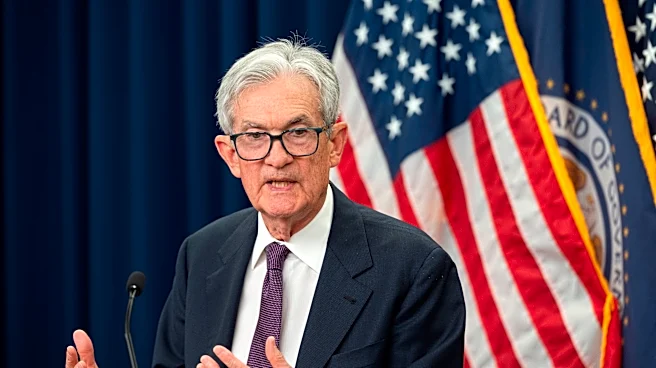
Jerome Powell's term as Chair of the Federal Reserve is ending, with his legacy characterized by significant efforts to engage with Congress and maintain the Fed's independence. Powell's tenure included navigating the economic impacts of the COVID-19
pandemic and subsequent inflation. He implemented aggressive monetary policies, including slashing interest rates and purchasing bonds, to stabilize the economy. Powell's relationship-building with Congress was a strategic move to protect the Fed from political pressures, particularly during President Trump's administration. His approach differed from his predecessors, focusing on direct engagement with lawmakers to uphold the Fed's authority.
Why It's Important?
Powell's emphasis on congressional relations highlights the importance of political support for the Federal Reserve's independence and effectiveness. His efforts to engage with lawmakers helped shield the Fed from external pressures, ensuring that monetary policy decisions were based on economic considerations rather than political agendas. This approach is crucial for maintaining public confidence in the Fed's ability to manage the economy. Powell's legacy may influence future Fed chairs, emphasizing the need for strong institutional relationships to navigate political challenges and uphold the central bank's credibility.
What's Next?
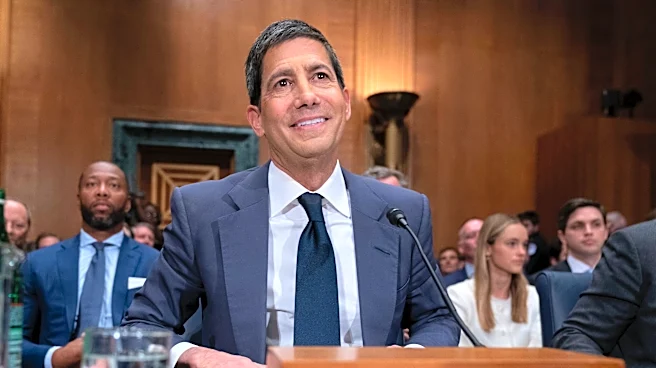
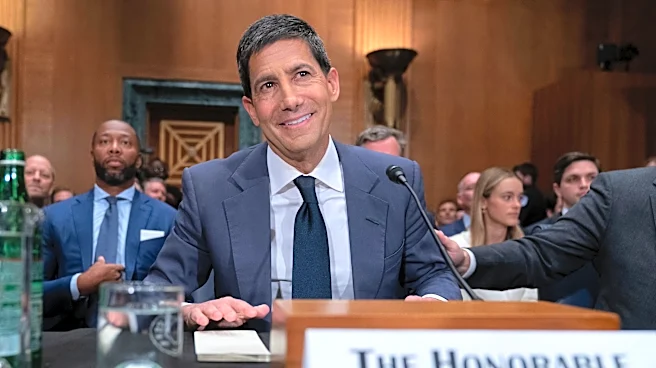
With Powell's departure, the incoming Fed chair will need to continue fostering relationships with Congress to maintain the central bank's independence. The new leadership will face ongoing economic challenges, including managing inflation and potential political pressures. The Fed's future policies will be closely scrutinized by markets and policymakers, impacting economic growth and stability. The transition in leadership may also prompt discussions about the Fed's role and strategies in addressing economic uncertainties and maintaining its independence in a politically charged environment.