





What's Happening?
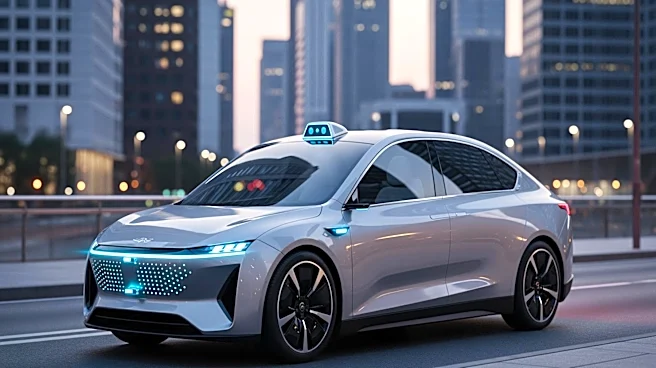
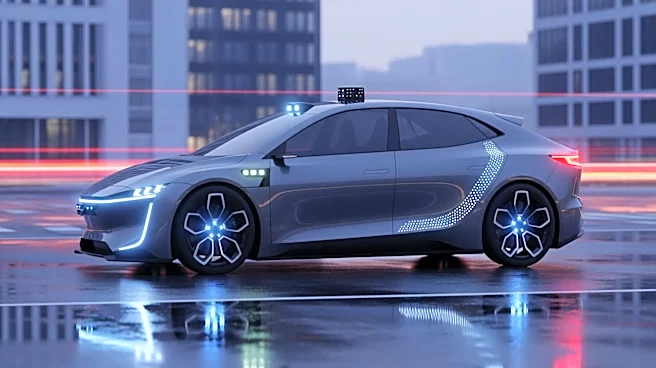
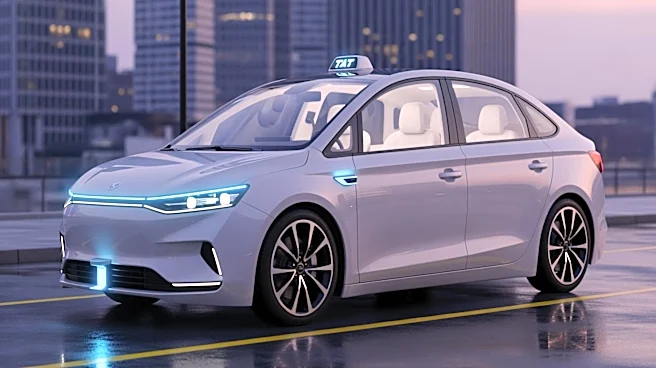
Uber is scaling back its recruitment of new drivers in cities where autonomous vehicles are operational, such as Atlanta and Austin. CEO Dara Khosrowshahi stated that this strategy ensures existing drivers continue to earn, as the presence of robotaxis
could reduce earning opportunities. Despite fewer new recruits, Uber reports an increase in driver sign-ups due to rising demand for ride-hailing services. The company believes that autonomous vehicles are generating additional demand, leading to busier schedules and higher earnings for drivers in these markets. Uber's approach reflects a balance between integrating new technology and maintaining opportunities for human drivers.
Why It's Important?
The reduction in driver recruitment highlights the impact of automation on traditional employment models, particularly in the gig economy. As Uber integrates autonomous vehicles, the dynamics of driver supply and demand are shifting, potentially affecting livelihoods. However, the increased demand for ride-hailing services suggests that human drivers will still play a crucial role, at least in the short term. This development underscores the need for policies that address the transition to automation, ensuring that workers are supported and that economic benefits are equitably distributed. The situation also raises questions about the future of work and the role of technology in reshaping industries.
What's Next?
Uber will likely continue to evaluate the impact of autonomous vehicles on its operations and workforce. The company may adjust its recruitment and marketing strategies based on market conditions and technological advancements. Policymakers and labor organizations may engage in discussions about the implications of automation, focusing on worker rights and economic security. As the technology matures, Uber's approach could serve as a model for other companies navigating the integration of automation into their business models.