
What's Happening?
SEC Commissioner Greg Sankey has expressed his opposition to expanding the College Football Playoff (CFP) to 24 teams, despite supporting the expansion of the NCAA basketball tournaments. The basketball tournaments are
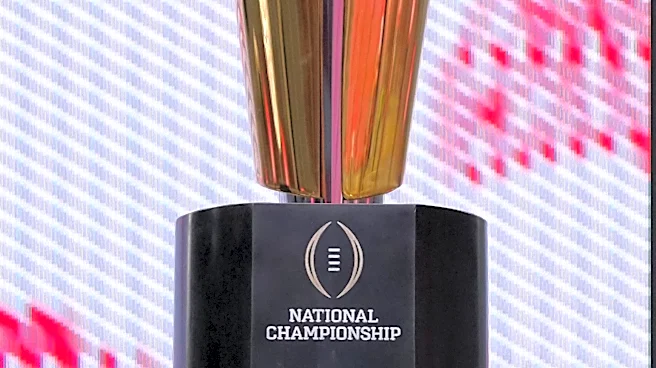
set to expand from 68 to 76 teams starting in the 2026-27 season. Sankey argues that while expanding the basketball tournaments is beneficial, a similar expansion in college football could undermine the significance of the regular season. He prefers a 16-team CFP format, emphasizing the need for a balance between regular season importance and postseason opportunities. Sankey's comments come amid ongoing discussions about the future structure of the CFP, with the Big Ten favoring a 24-team model.
Why It's Important?
The debate over the CFP expansion is significant as it impacts the competitive landscape of college football. An expanded playoff could provide more opportunities for teams from various conferences, potentially increasing revenue and viewership. However, Sankey's concerns highlight the risk of diminishing the regular season's value, which is crucial for maintaining fan engagement and the sport's traditional structure. The SEC's recent struggles in the expanded 12-team CFP format, with a 5-8 record over the past two seasons, underscore the competitive challenges that come with a larger playoff field. The outcome of these discussions could shape the future of college football, affecting stakeholders from universities to broadcasters.
What's Next?
As discussions continue, stakeholders in college football, including conference leaders and university officials, will need to weigh the benefits and drawbacks of further expanding the CFP. The decision will likely involve detailed analysis and negotiations to ensure that any changes align with the sport's long-term goals. Sankey's openness to conversation suggests that while he prefers a 16-team format, he is willing to consider other options if supported by data and analysis. The ongoing debate will likely involve input from various conferences, each with its own interests and priorities, as they seek a consensus on the best path forward for college football.