





What's Happening?
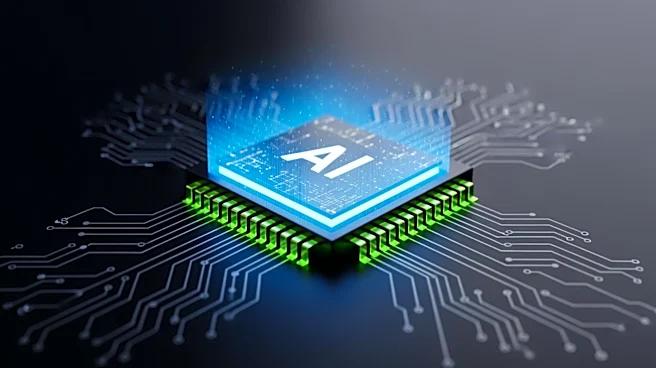
Jiong Shao, a China tech analyst at Barclays, has commented on the first quarter financial results of Alibaba and Tencent for 2026, describing them as 'solid'. Shao highlighted the ongoing challenges in the technology sector, particularly the access to computing
power, which he identified as the 'greatest bottleneck in AI today'. He expressed hope that Nvidia CEO Jensen Huang might influence the Chinese government to relax purchasing restrictions on local companies, which could alleviate some of these challenges. The discussion reflects broader concerns in the tech industry about the limitations imposed by current computing capabilities and regulatory environments.
Why It's Important?
The insights from Jiong Shao underscore significant issues facing the tech industry, particularly in the realm of artificial intelligence. The bottleneck in computing power is a critical hurdle that could impact the pace of AI development and deployment. This situation is particularly relevant for U.S. companies and investors with interests in Chinese tech giants like Alibaba and Tencent. The potential easing of purchasing restrictions could open new avenues for collaboration and growth, benefiting both Chinese and international stakeholders. Moreover, the performance of these companies is closely watched by global markets, influencing investment strategies and economic forecasts.
What's Next?
If Nvidia's CEO can successfully negotiate with the Chinese government to ease restrictions, it could lead to increased access to advanced computing resources for Chinese companies. This development might accelerate AI advancements and enhance the competitive edge of companies like Alibaba and Tencent. Additionally, such a move could foster better U.S.-China tech relations, potentially leading to more collaborative efforts in the tech sector. Stakeholders will be closely monitoring any policy changes and their implications for the global tech landscape.