



What's Happening?
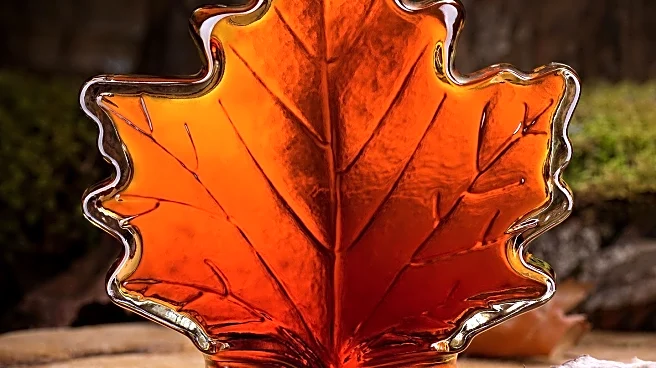
Throughout March 2026, several nature centers in the Milwaukee area are hosting events to celebrate the maple syrup season, a significant part of Wisconsin's agricultural heritage. These events offer visitors the opportunity to learn about the process
of maple sugaring, which involves collecting sap from trees and boiling it down into syrup. The freeze-thaw cycle in early spring is crucial for sap collection, as it causes the sap to move up the tree trunk. Events include guided hikes, tree tapping demonstrations, and syrup tasting sessions. Notable events include the Maple Sugarin' Festival at Riveredge Nature Center, where attendees can enjoy live music, pancakes, and participate in nature-based crafts. Other centers like the Schlitz Audubon Nature Center and Wehr Nature Center offer educational programs and hands-on activities for all ages.
Why It's Important?
These events highlight the cultural and economic significance of maple syrup production in Wisconsin, one of the state's top agricultural products. By engaging the community in educational and recreational activities, these events foster a deeper appreciation for local agriculture and environmental stewardship. They also provide an opportunity for families and individuals to connect with nature and learn about sustainable practices. The events support local economies by attracting visitors to the area, potentially boosting sales for local businesses and vendors. Additionally, they serve as a platform for nature centers to promote their educational programs and conservation efforts.
What's Next?
As the maple syrup season progresses, nature centers will continue to host events and activities that educate the public about the importance of maple sugaring. These centers may also explore partnerships with local schools and community organizations to expand their outreach and educational impact. Future events could include workshops on sustainable agriculture and conservation practices, further promoting environmental awareness and community engagement. The success of these events may encourage other regions to develop similar programs, enhancing the visibility and appreciation of maple syrup production across the state.