
What's Happening?
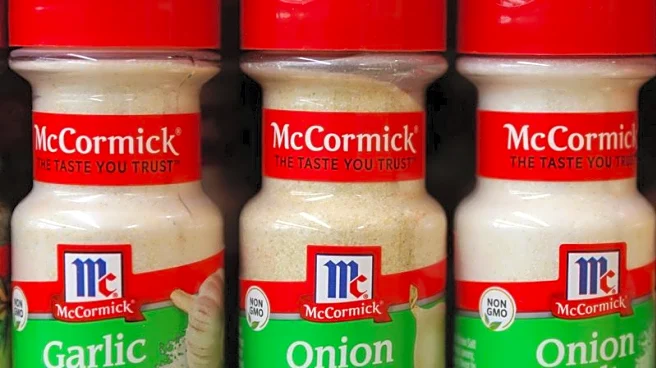
Unilever has confirmed that it is in discussions with McCormick & Company, Inc. regarding a potential transaction involving its foods division. This development comes amid ongoing speculation about a possible separation of the business. Unilever has stated
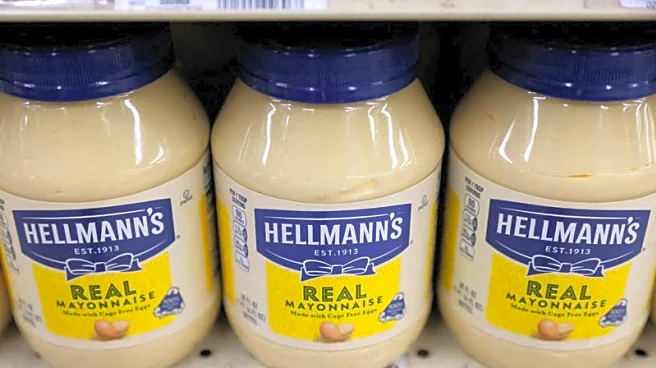
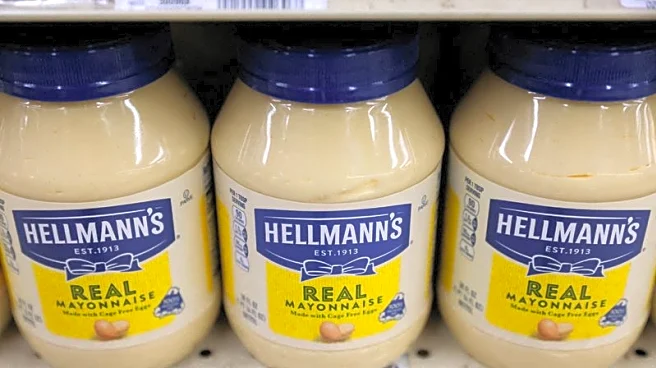
that while discussions are underway, no definitive deal has been reached. The company has been exploring various strategic options for its foods arm, which could include a spin-off or sale, as part of a broader strategic overhaul. The foods division, which includes well-known brands such as Hellmann’s and Knorr, generated approximately €12.9 billion in revenue in 2025. Despite its substantial contribution, growth in this segment has lagged behind other areas of Unilever's business, prompting the company to consider its future. Under CEO Fernando Fernandez, Unilever has been shifting its focus towards higher-growth categories like beauty and personal care.
Why It's Important?
The potential sale or restructuring of Unilever's foods division could have significant implications for the food industry, particularly in the condiments and cooking aids sectors where Unilever holds a strong market presence. For retailers and suppliers, any changes in ownership or strategy could alter category dynamics and competitive landscapes. Additionally, this move reflects a broader trend among large consumer goods companies to streamline operations and focus on higher-margin, faster-growing segments. The outcome of these discussions could influence Unilever's market strategy and financial performance, impacting stakeholders ranging from investors to consumers.
What's Next?
As discussions between Unilever and McCormick & Company are still in the early stages, the next steps will likely involve further negotiations to determine the feasibility and terms of any potential deal. Stakeholders will be closely monitoring these developments, as a successful transaction could lead to significant changes in Unilever's portfolio and market strategy. If a deal is reached, it may prompt other companies in the sector to reevaluate their own strategic positions, potentially leading to further consolidation or divestitures in the industry.