






What's Happening?
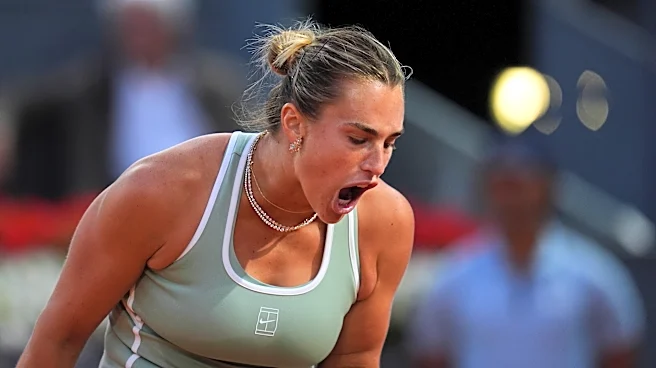
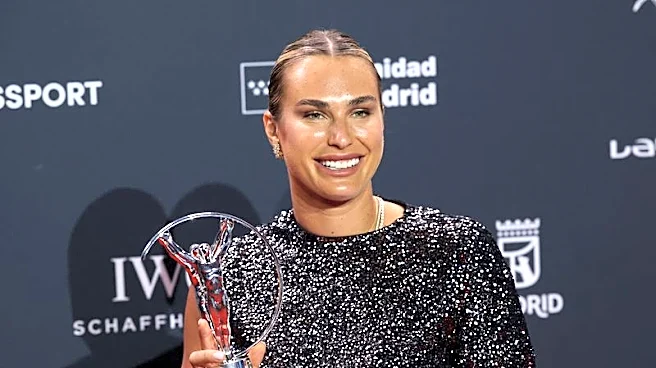
Aryna Sabalenka, the top-ranked tennis player, has called for a potential boycott of Grand Slam tournaments if players do not receive a larger share of the revenues. This call is supported by other top players like Coco Gauff and Elena Rybakina. The players have
expressed dissatisfaction with the current prize money distribution, particularly at the French Open, where they claim their share of the revenue has decreased. Despite an increase in the overall prize pool, players argue that their percentage of the revenue is insufficient. The players are also seeking better representation, health options, and pensions from the Grand Slam tournaments. The French Open organizers have not responded to these concerns, and the players are considering unionization as a means to strengthen their position.
Why It's Important?
The call for a boycott reflects broader issues of financial equity and representation in professional tennis. If players proceed with a boycott, it could disrupt the Grand Slam events, which are significant for the sport's revenue and visibility. The players' demands for a fairer share of revenues and improved conditions highlight the need for reform in the governance of tennis. This situation could inspire similar movements in other sports, where athletes seek to negotiate better terms and conditions. The outcome of this dispute could have long-term implications for the structure and management of professional tennis.
What's Next?
As the French Open nears, the players' demands are likely to lead to further discussions and potential negotiations with tournament organizers. The possibility of unionization among players could strengthen their bargaining power. The response from the Grand Slam organizers will be crucial in determining the next steps. If the players' concerns are not addressed, a boycott could become a reality, affecting the upcoming tournaments and prompting broader changes in the sport.