




What's Happening?
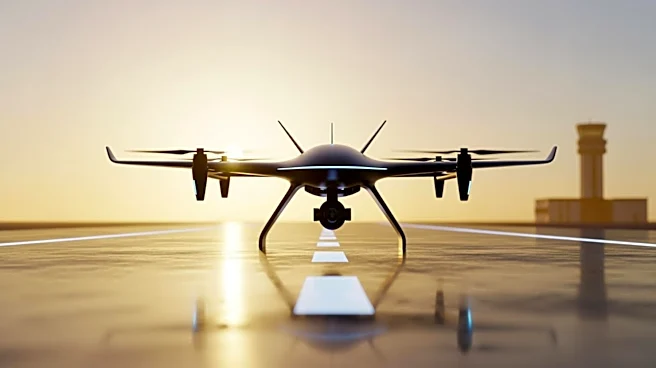
Reliable Robotics Corp. has announced a significant funding round of $160 million to expedite the deployment and production of its Reliable Autonomy System (RAS), which is designed to enable fully automated aircraft operations. The funding was led by
Nimble Ventures, with participation from several other investors, including Eclipse, Lightspeed, and AE Ventures. The RAS is touted as the first system of its kind to be certifiable by the Federal Aviation Administration (FAA) for fully automated flight. Reliable Robotics, founded in 2017 and based in Mountain View, California, aims to enhance aviation safety and scalability by integrating its system with existing aviation infrastructure. The company has been working closely with the U.S. government, including a $17.4 million contract with the U.S. Air Force for automated air cargo operations. The FAA has accepted the certification plans for RAS, and the company is actively working on compliance materials.
Why It's Important?
The development of fully automated aircraft systems represents a significant advancement in aviation technology, with potential impacts on both commercial and military sectors. By automating flight operations, Reliable Robotics aims to address common causes of aviation incidents, thereby improving safety and efficiency. This technology could revolutionize air transportation by making it more accessible and cost-effective, potentially leading to increased connectivity and economic growth. The successful implementation of such systems could also position the U.S. as a leader in aviation technology, aligning with national security and economic objectives. The involvement of the FAA and the U.S. government underscores the strategic importance of this technology.
What's Next?
Reliable Robotics plans to continue its collaboration with the FAA to achieve full certification for its autonomy system. The company is also expanding its workforce and production facilities to meet the anticipated demand for its systems. As the company progresses with its FAA certification, it is poised to begin operations for both commercial and military applications, including the U.S. Air Force's automated air cargo operations. The success of these initiatives could pave the way for broader adoption of automated flight technologies across the aviation industry.