






What's Happening?
TScan Therapeutics and Cellares have announced a collaboration to evaluate the automated manufacturing of TScan's lead TCR-T therapy candidate, TSC-101, using Cellares' automated platforms. This partnership aims to develop a scalable and cost-efficient
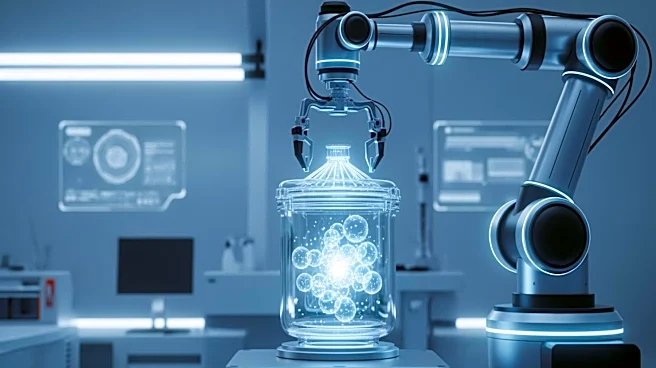
manufacturing process for TSC-101, which is designed to treat residual disease and prevent relapse in patients with acute myeloid leukemia (AML) and myelodysplastic syndromes (MDS) undergoing allogeneic hematopoietic cell transplantation. The collaboration will leverage Cellares' Cell Shuttle and Cell Q platforms to automate the manufacturing and testing processes, potentially enhancing the reliability and economics of large-scale production.
Why It's Important?
The collaboration between TScan and Cellares represents a significant step forward in the field of cell therapy, particularly for patients with hematologic malignancies. By automating the manufacturing process, the partnership aims to reduce variability, minimize labor intensity, and improve the scalability of TCR-T therapies. This could lead to more consistent and reliable production, ultimately increasing patient access to these potentially life-saving treatments. The success of this collaboration could also set a precedent for other companies in the biotech industry, encouraging further innovation and investment in automated cell therapy manufacturing.
What's Next?
As TScan prepares for a pivotal trial of TSC-101, the company will continue to evaluate the effectiveness of Cellares' automated manufacturing platforms. The trial is expected to begin in the second quarter of 2026, and its outcomes will be closely watched by the biotech community. If successful, the collaboration could pave the way for broader adoption of automated manufacturing processes in the cell therapy industry, potentially transforming how these therapies are produced and delivered to patients.