





What's Happening?
The fashion industry is currently navigating the integration of artificial intelligence (AI) into its design and production processes, with varying degrees of acceptance among designers. Some, like Tommy Hilfiger and Gucci, are leveraging AI to streamline
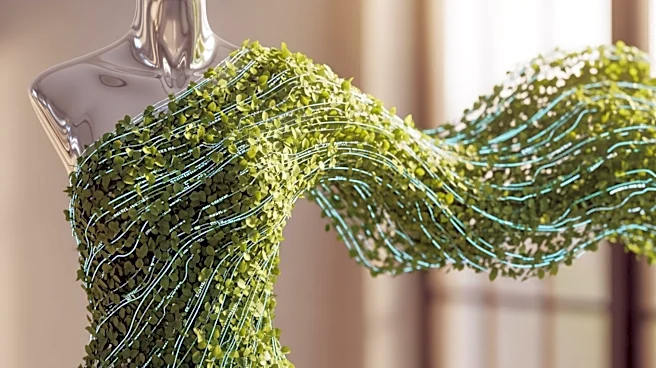
design cycles and create new collections. Gucci, for instance, uses AI to iterate on past designs, while The Fabricant has sold a digital dress for $9,500, showcasing the potential of AI in fashion. However, there is a significant debate over the impact of AI on creativity and craftsmanship. Designers like VETEMENTS have created collections that mimic AI designs but are crafted by hand, emphasizing the value of human artistry. Additionally, the environmental impact of AI is a concern, as data centers powering AI consume significant resources. Despite these challenges, AI is also being used to promote sustainability, as seen in Stella McCartney's campaign featuring AI-generated birds to raise awareness about conservation.
Why It's Important?
The adoption of AI in the fashion industry represents a significant shift in how fashion is designed and produced, potentially leading to faster production cycles and reduced waste. However, the environmental costs associated with AI, such as high energy consumption and electronic waste, pose a challenge to sustainability efforts. The debate over AI's role in creativity highlights a broader concern about the preservation of traditional craftsmanship in the face of technological advancement. This tension between innovation and tradition could influence future industry standards and consumer preferences. As AI continues to evolve, its impact on intellectual property rights and data usage in fashion also raises legal and ethical questions, which could lead to new regulations and industry practices.
What's Next?
As the fashion industry continues to explore AI's potential, stakeholders will likely focus on balancing technological innovation with sustainability and creativity. Designers and brands may need to develop strategies to mitigate AI's environmental impact while leveraging its efficiencies. Legal frameworks around data usage and intellectual property in AI training are expected to evolve, potentially affecting how fashion houses use AI. The industry's response to these challenges will shape its future, with potential implications for global fashion trends and consumer behavior. Ongoing developments in AI technology and its applications in fashion will be closely watched by industry insiders and regulators alike.
Beyond the Headlines
The integration of AI into fashion design raises deeper questions about the future of human creativity and the preservation of cultural heritage in craftsmanship. As AI becomes more prevalent, there is a risk that traditional skills and techniques could be overshadowed by technology-driven processes. This shift could lead to a reevaluation of what constitutes value and authenticity in fashion. Additionally, the industry's approach to AI could influence other creative sectors, setting precedents for how technology and artistry can coexist. The ongoing dialogue around AI in fashion may also inspire new forms of artistic expression and collaboration between humans and machines.