

What's Happening?
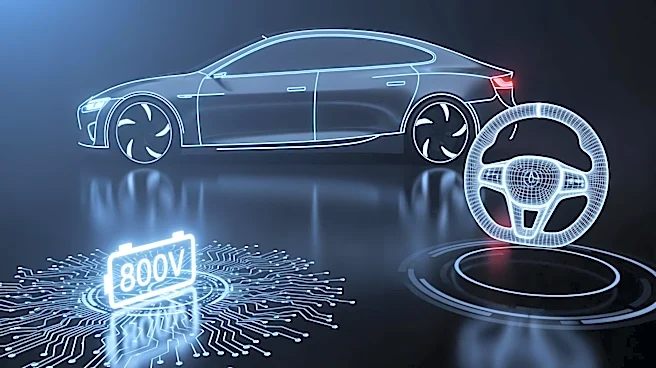
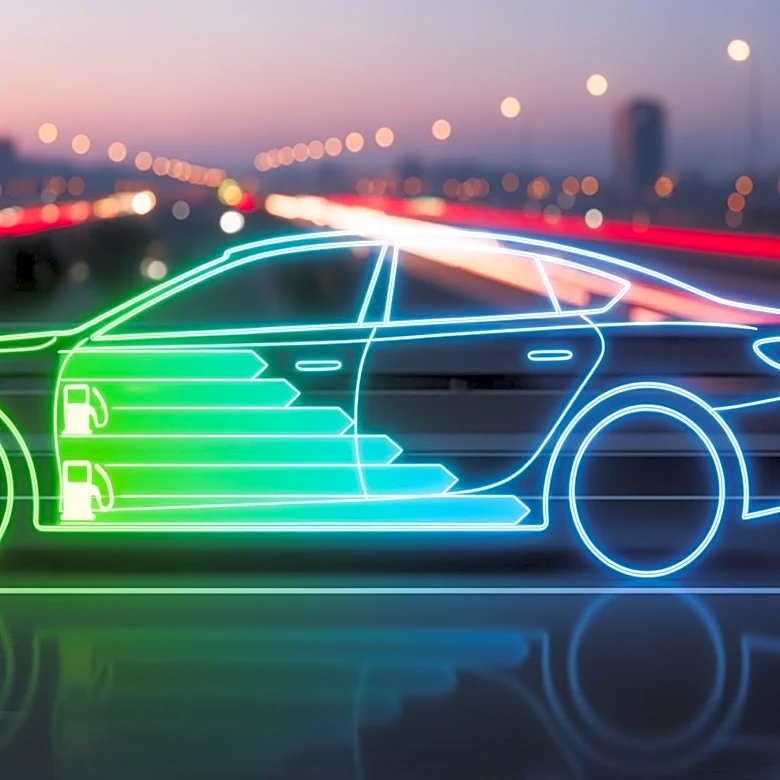
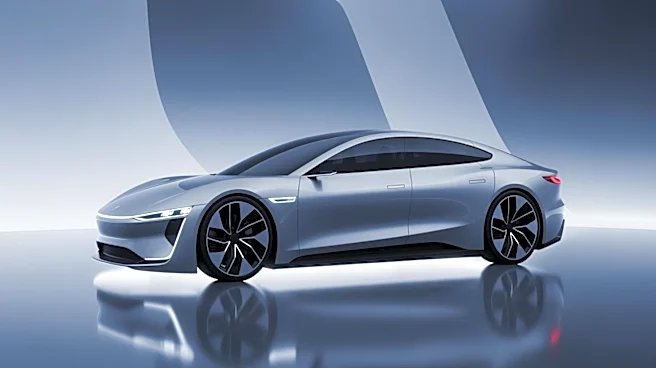
Mercedes-Benz has unveiled the updated EQS electric saloon, featuring significant technological advancements including an 800-volt architecture and steer-by-wire technology. The EQS 450+ model achieves a WLTP range of 926 kilometers, a 13% improvement
over its predecessor. The new architecture allows for 350kW DC charging, adding 320 kilometers of range in just 10 minutes. The EQS also introduces steer-by-wire technology, a first for German series-production cars, enhancing maneuverability. The vehicle's electric drive units, two-speed gearbox, and 122kWh battery have been optimized for improved performance and efficiency. Additionally, the EQS supports bidirectional charging, enabling vehicle-to-grid and vehicle-to-home capabilities.
Why It's Important?
The advancements in the Mercedes-Benz EQS highlight the company's commitment to leading the electric vehicle market with cutting-edge technology. The introduction of 800-volt architecture and steer-by-wire technology positions Mercedes-Benz as a pioneer in the EV industry, potentially setting new standards for performance and efficiency. The improved range and fast-charging capabilities address common consumer concerns about electric vehicles, such as range anxiety and charging times. These innovations could influence other automakers to adopt similar technologies, driving competition and innovation in the EV market. The EQS's bidirectional charging capabilities also align with the growing trend towards sustainable energy solutions, offering consumers more flexibility and potential cost savings.
What's Next?
As the updated EQS enters the market, Mercedes-Benz will likely focus on promoting its technological advancements to attract consumers and differentiate itself from competitors. The company's emphasis on cutting-edge technology may lead to increased consumer interest and sales, particularly among tech-savvy and environmentally conscious buyers. Other automakers may respond by accelerating their own technological developments to remain competitive. The success of the EQS could also influence regulatory policies and infrastructure development, as governments and industry stakeholders work to support the growing adoption of electric vehicles. Mercedes-Benz's continued innovation in the EV space may also lead to further advancements in autonomous driving and connectivity features.