

What's Happening?
A recent trend on TikTok, known as 'wellnessmaxxing' or 'habit stacking,' is drawing attention for its approach to self-care. This trend encourages individuals to perform multiple self-care tasks simultaneously, such as answering work emails while doing
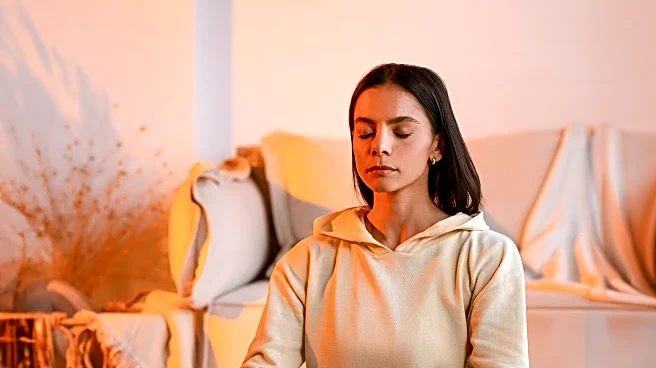
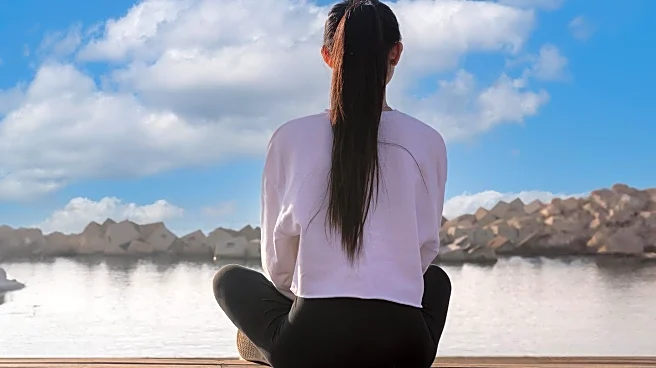
a facial peel or meditating while running on a treadmill. The concept is rooted in maximizing personal productivity and well-being by stacking habits. However, this approach contradicts traditional self-care practices like mindfulness and meditation, which emphasize slowing down and focusing on fewer tasks. The trend has gained popularity through social media platforms, where influencers and creators share videos of themselves engaging in these multitasking activities. Critics argue that this trend promotes an unrealistic and potentially harmful view of self-care, as it suggests that doing more is the solution to stress and burnout.
Why It's Important?
The 'wellnessmaxxing' trend highlights a significant shift in how self-care is perceived and practiced, particularly among younger audiences influenced by social media. This trend could lead to increased stress and burnout, as it encourages individuals to add more tasks to their already busy lives. The traditional principles of self-care, which focus on rest, recovery, and mindfulness, are being overshadowed by a performance-driven approach. This shift could have broader implications for mental health, as individuals may feel pressured to constantly optimize their time and productivity, potentially leading to negative psychological outcomes. The trend also raises questions about the role of social media in shaping health and wellness practices, as it often prioritizes entertainment and virality over evidence-based methods.
What's Next?
As the 'wellnessmaxxing' trend continues to gain traction, there may be increased scrutiny from mental health professionals and wellness advocates who emphasize the importance of traditional self-care practices. Educational campaigns could emerge to counteract the trend, promoting the benefits of slowing down and focusing on fewer, more meaningful activities. Additionally, social media platforms might face pressure to regulate content that promotes potentially harmful wellness practices. Influencers and creators could also play a role in shifting the narrative by highlighting the importance of balance and moderation in self-care routines.
Beyond the Headlines
The trend of 'wellnessmaxxing' reflects a broader cultural phenomenon where productivity and optimization are highly valued, often at the expense of personal well-being. This mindset can lead to a commodification of self-care, where wellness becomes a performance metric rather than a personal journey. The trend also underscores the need for critical media literacy, as consumers must navigate a landscape where health and wellness advice is often presented in a sensationalized manner. Long-term, this could influence how future generations approach self-care, potentially leading to a reevaluation of what it means to live a balanced and healthy life.