


What's Happening?
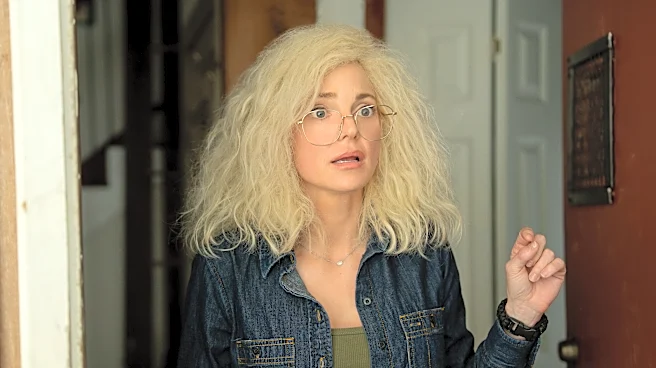
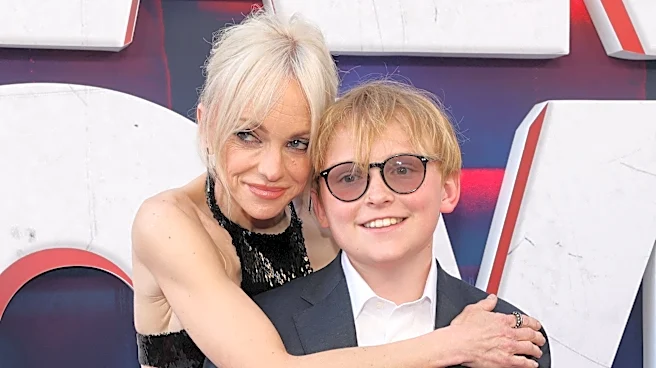
The Scary Movie franchise has released its sixth installment, marking a return to the spoof comedy genre that gained popularity in the early 2000s. The film, which brings back original co-writers and co-stars Marlon and Shawn Wayans, along with Anna Faris
and Regina Hall, attempts to parody recent horror films such as the Scream series. Despite the return of familiar faces, the movie has been criticized for its reliance on outdated humor and lack of fresh satire. The film attempts to blend elements from various horror hits, including Scream and Terrifier, but struggles to capture the same comedic impact as its predecessors.
Why It's Important?
The release of a new Scary Movie installment highlights the ongoing appeal of parody films, particularly in the horror genre. However, the mixed reception suggests a shift in audience expectations, with viewers seeking more innovative and relevant humor. The film's reliance on past formulas and dated jokes may indicate a challenge for the franchise to resonate with modern audiences. This development could influence future decisions in the comedy film industry, as filmmakers may need to adapt to changing tastes and cultural sensitivities to maintain relevance.
What's Next?
The performance of the new Scary Movie at the box office will likely determine the future of the franchise. If successful, it could pave the way for more sequels or similar parody films. However, if it fails to meet expectations, it may prompt a reevaluation of the franchise's direction and the viability of spoof comedies in the current entertainment landscape. The response from audiences and critics will be crucial in shaping the next steps for the filmmakers and the genre as a whole.
Beyond the Headlines
The revival of the Scary Movie franchise raises questions about the sustainability of parody films in an era where audiences are increasingly critical of humor that relies on stereotypes and outdated tropes. The film's approach to comedy, which includes jokes about sexuality and generational differences, may not align with contemporary values, potentially limiting its appeal. This situation underscores the broader cultural shift towards more inclusive and thoughtful entertainment, challenging creators to innovate while respecting evolving societal norms.