







What's Happening?
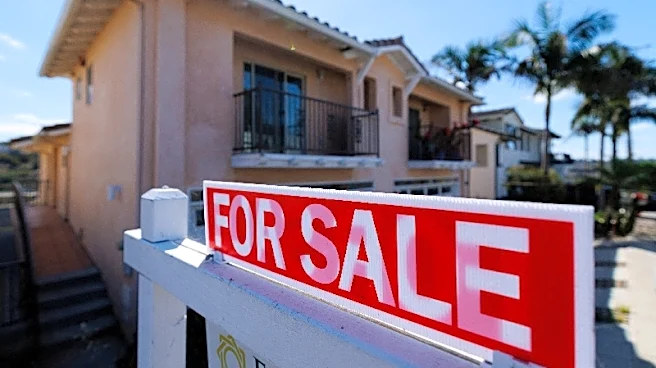
The U.S. housing market is experiencing a robust start to the 2026 home buying season, as reported by Realtor.com. New seller listings have increased by 1.4% compared to the previous year, while contract signings have grown by 2.9%. April alone saw a 1.1%
rise in new listings and a 4.5% increase in signings, marking the fastest growth since 2023. This trend indicates a more balanced market, with demand outpacing supply in certain regions, leading to competitive conditions for existing inventory. The Midwest has shown the most significant growth in new listings, with a 4.3% increase, while the West has seen a 3.9% rise in contract signings. Despite these positive indicators, Realtor.com cautions that the trends may not hold if geopolitical risks affect affordability.
Why It's Important?
The current trends in the housing market suggest a potential shift towards a more dynamic and competitive environment, which could benefit both buyers and sellers. For buyers, the increase in listings and contract signings may provide more options and opportunities to secure homes at competitive prices. For sellers, the willingness to set realistic prices from the outset could lead to quicker sales and reduced need for price reductions. However, the market's future remains uncertain, as external factors such as geopolitical tensions and economic conditions could impact mortgage rates and consumer confidence. The outcome of these trends will significantly affect the real estate industry, influencing market strategies and investment decisions.
What's Next?
The coming months, particularly May and June, will be crucial in determining whether the positive momentum in the housing market will continue. If geopolitical tensions stabilize and mortgage rates remain favorable, the market could break out of the lower equilibrium it has maintained since 2022. However, any adverse developments could reverse the current trends, affecting affordability and demand. Stakeholders, including real estate agents, investors, and policymakers, will need to monitor these developments closely to adapt their strategies accordingly.