






What's Happening?
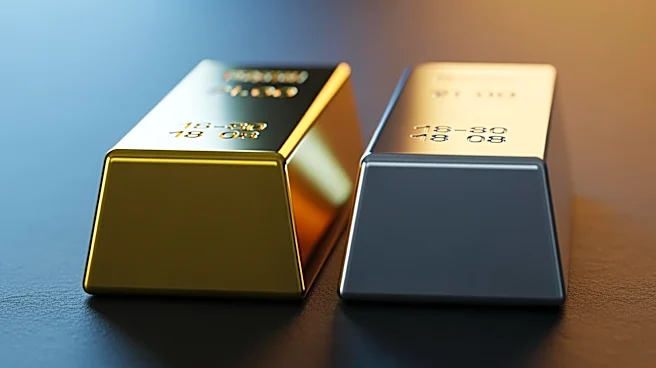
The Perth Mint, a leading global producer of newly mined gold and Australia's largest refiner by volume, reported a significant decline in its gold and silver sales for May. Gold product sales, including coins and minted bars, fell to 19,430 ounces, marking
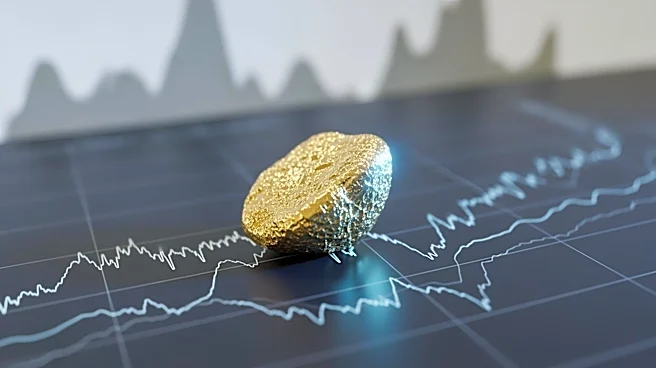
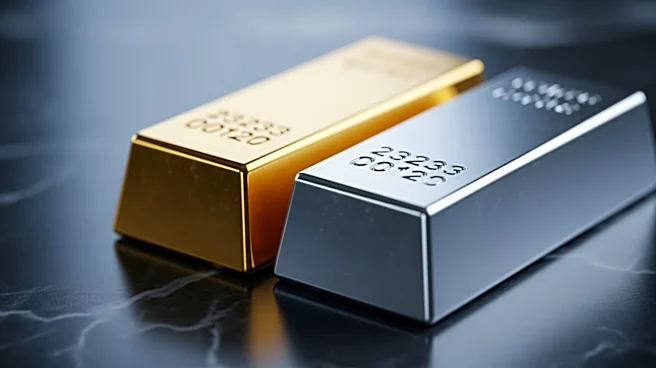
a 58% decrease from April and a 31% drop compared to the same period last year. Silver sales also saw a decline, dropping 27% month-on-month to 363,976 ounces. This downturn in sales comes as gold prices fell by approximately 1.9% in May, influenced by inflation fears and the prospect of prolonged high interest rates due to ongoing Middle East conflicts. Despite the drop in gold, silver prices experienced a slight increase of about 2% during the same period.
Why It's Important?
The decline in sales at the Perth Mint reflects broader market trends where investors are shifting their focus away from precious metals to other asset classes. This shift is partly driven by the softening of gold and silver prices, which have been affected by geopolitical tensions and economic uncertainties. The decrease in demand for gold and silver could impact the mining and refining industries, potentially leading to reduced production and financial performance for companies involved in these sectors. Additionally, the changes in investor behavior highlight the volatility and sensitivity of the precious metals market to global events and economic policies.
What's Next?
As the market adjusts to these changes, the Perth Mint and other industry players may need to reassess their strategies to adapt to the evolving investor preferences. This could involve exploring new markets or diversifying their product offerings to maintain competitiveness. The ongoing geopolitical and economic developments will likely continue to influence precious metal prices and investor decisions. Stakeholders in the industry will be closely monitoring these factors to anticipate further shifts in demand and adjust their operations accordingly.