



What's Happening?
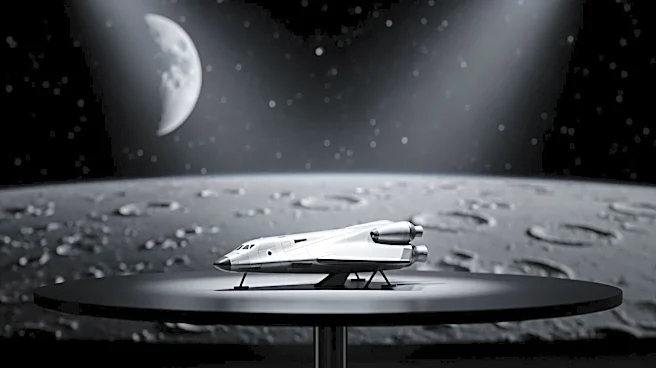
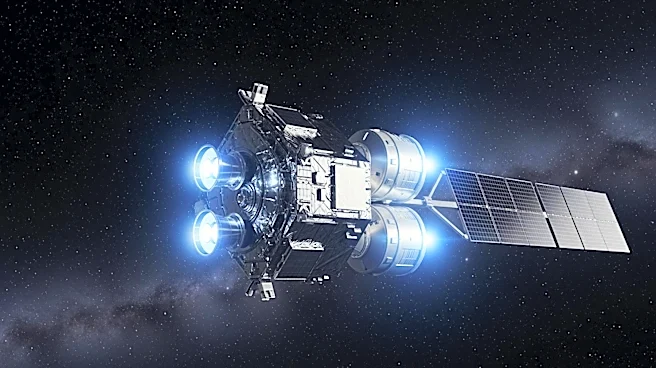
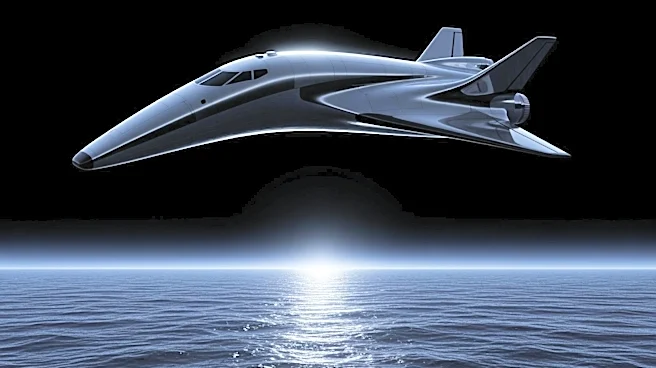
BAE Systems has introduced a new spacecraft platform named Ascent, designed to enhance dynamic space operations through advanced maneuverability capabilities. The Ascent spacecraft is capable of refueling and high-thrust propulsion, allowing it to carry
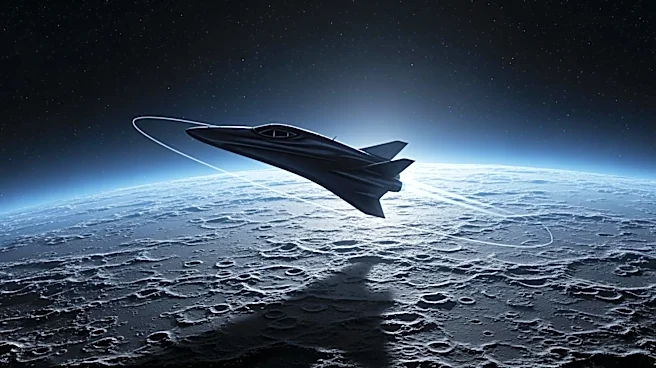
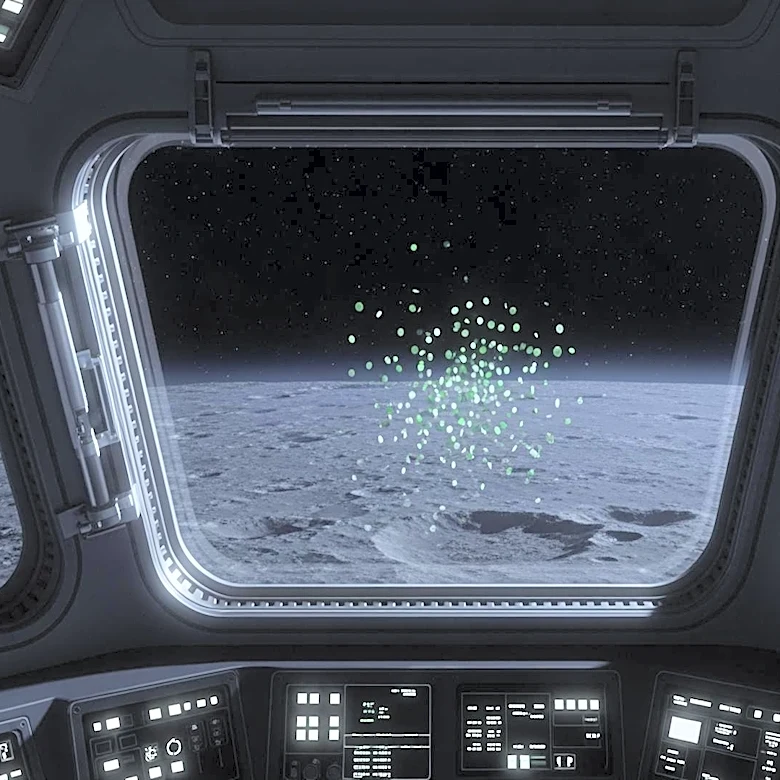
multiple rideshare payloads. It aims to support both space superiority and exploration missions. The company plans a first pathfinder launch in 2027 for a classified customer, with further demonstrations scheduled for 2028. Ascent is positioned to support lunar architecture activities and deep space exploration, as well as counter on-orbit threats. The development of Ascent has been ongoing for five years, leveraging legacy capabilities from programs like DARPA's Orbital Express.
Why It's Important?
The introduction of Ascent by BAE Systems marks a significant advancement in space technology, particularly in the realm of maneuverable spacecraft. This development is crucial as NASA plans monthly lunar landings starting in 2027, and the U.S. Space Force seeks spacecraft capable of performing on-orbit logistics. Ascent's capabilities could enhance the U.S.'s ability to maintain space superiority and support exploration missions. The platform's refueling and maneuverability features are particularly important for long-term missions and could lead to more sustainable space operations. This innovation may also influence the commercial space sector, encouraging further investment and development in refuelable and versatile spacecraft.
What's Next?
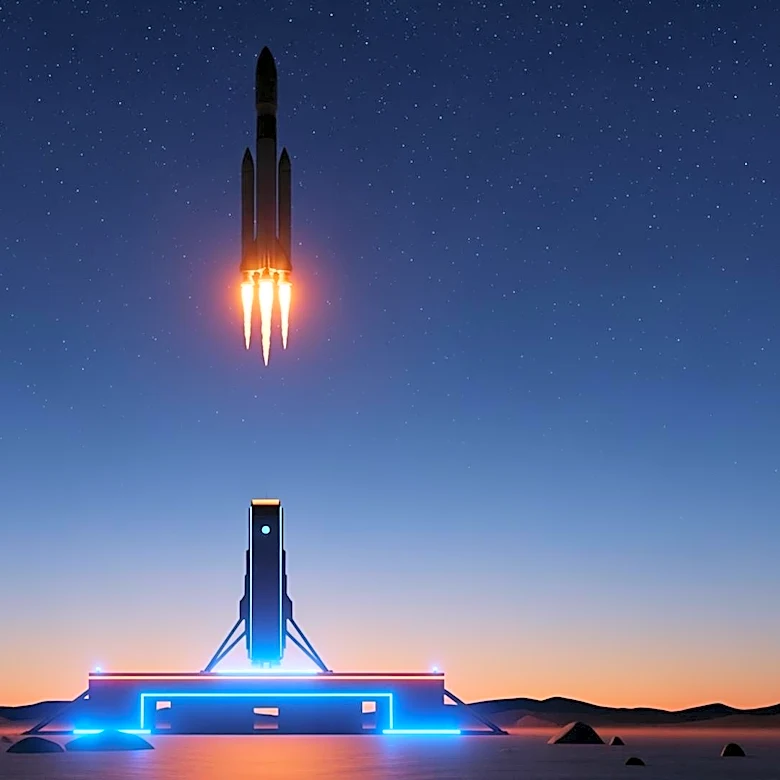
BAE Systems is targeting a pathfinder mission launch in 2027 to demonstrate Ascent's critical capabilities, including refueling and maneuverability across various orbital regimes. The U.S. Space Force is planning multiple on-orbit refueling demonstrations this summer, which could further validate Ascent's technology. As the Space Force explores commercial options, BAE Systems' involvement in the RG-XX program, which includes building new satellites, could lead to further integration of Ascent's technology into military applications. The ongoing development and testing of Ascent's refueling interface will be crucial in ensuring its future relevance and operational success.
Beyond the Headlines
The development of Ascent reflects broader trends in the space industry towards more sustainable and versatile spacecraft. The ability to refuel and maneuver in space could lead to longer mission durations and reduced costs, as spacecraft can be reused rather than replaced. This shift could have ethical and environmental implications, as it promotes more responsible use of space resources. Additionally, Ascent's capabilities may influence international space policy, as nations seek to protect their interests in space and ensure the security of their assets. The platform's potential to counter on-orbit threats also highlights the growing importance of space defense in national security strategies.