
What's Happening?
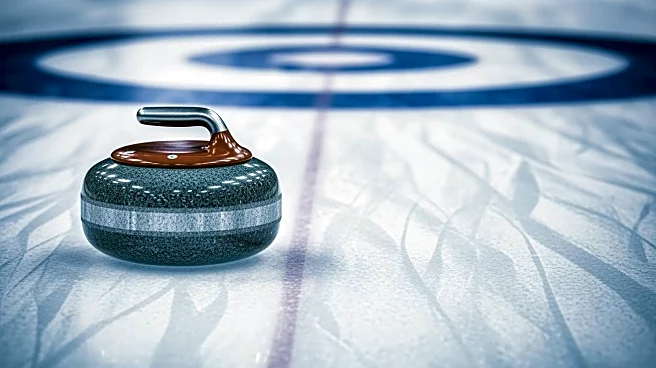
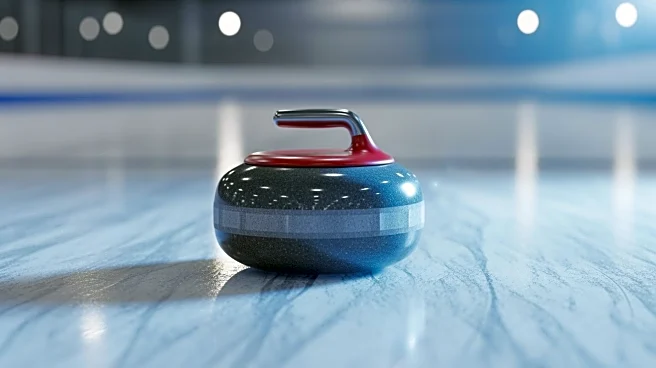
The sport of curling has experienced a significant increase in popularity in the United States following the 2026 Winter Olympics in Milan-Cortina. According to Dean Gemmell, CEO of USA Curling, member clubs have reported a substantial rise in participation
at 'learn-to-curl' events and open houses, with attendance figures ranging from 300 to 600 people. This surge is attributed to the extensive television coverage curling received during the Olympics, where it was the only sport aired daily. The increased visibility has translated into higher membership numbers, particularly among the 21 to 40-year-old demographic, which now constitutes 38% of USA Curling's members. Clubs across the country, including smaller ones like the Chesapeake Curling Club in Maryland, have benefited from this interest, with some hosting three times more introductory sessions than usual.
Why It's Important?
The growing interest in curling could have a lasting impact on the sport's development in the U.S. The influx of new participants, especially younger individuals, is vital for sustaining and expanding the sport's presence. Increased membership can lead to more robust local clubs, enhanced competition, and potentially greater success on the international stage. For smaller clubs, the Olympic-driven interest is crucial for financial stability and operational viability. The trend also highlights the power of media exposure in elevating niche sports, suggesting that strategic broadcasting can significantly influence public engagement and participation.
What's Next?
As the interest in curling continues to grow, USA Curling and local clubs may need to expand their facilities and programs to accommodate new members. This could involve extending the curling season, investing in infrastructure, and developing more competitive leagues. The organization might also explore partnerships with media outlets to maintain visibility and capitalize on the current momentum. Additionally, the increased participation could lead to a stronger national team, potentially improving the U.S.'s performance in future international competitions.
Beyond the Headlines
The curling boom underscores a broader cultural shift towards embracing diverse sports beyond traditional American favorites like football and basketball. This trend may encourage other niche sports to seek similar exposure and growth opportunities. Furthermore, the community aspect of curling, which emphasizes teamwork and social interaction, could appeal to individuals seeking recreational activities that foster connection and camaraderie. As more people engage with curling, it may also inspire innovations in training and equipment, further enhancing the sport's appeal.