
What's Happening?
The Chicago Bears have announced that they are no longer pursuing options for a new stadium within the city of Chicago. According to a statement provided to the Associated Press, the team has exhausted
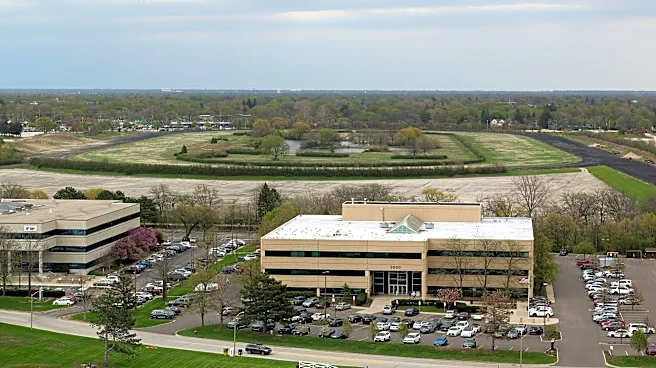
all possibilities to remain in the city, which was their initial goal. The Bears are now considering two potential sites for their new stadium: Arlington Heights, a suburb located about 25 miles from downtown Chicago, and Hammond, a city in Indiana approximately 30 miles from Chicago. The Bears have played in Chicago since 1921, with Soldier Field serving as their home since 1971, except for a brief period during renovations. The team is seeking a modern, enclosed stadium to replace the aging Soldier Field, the oldest active venue in the NFL. Team president Kevin Warren has indicated that a decision on the new site is expected by late spring or early summer.
Why It's Important?
The potential relocation of the Chicago Bears to a suburban or out-of-state location marks a significant shift for the franchise, which has been a staple in the city for over a century. This move could have substantial economic implications for Chicago, as the team draws significant revenue and tourism to the city. The decision to move could also impact local businesses and the community surrounding Soldier Field. For the Bears, a new, modern stadium could enhance the fan experience and provide additional revenue streams through events and amenities. The move reflects broader trends in the NFL, where teams seek state-of-the-art facilities to remain competitive and financially viable.
What's Next?
The Bears are expected to finalize their decision on the new stadium location by late spring or early summer. This decision will likely involve negotiations with local governments and stakeholders in Arlington Heights and Hammond. The team will need to consider factors such as infrastructure, transportation, and community impact. Additionally, the Bears' move could prompt reactions from fans, city officials, and other NFL teams. The development of a new stadium will also involve significant planning and investment, with potential construction timelines and costs to be determined.