
What's Happening?
The U.S. economy grew at a 2% annual rate in the first quarter of 2026, as reported by the Commerce Department. This growth follows a 0.5% increase in the previous quarter, which was impacted by a government
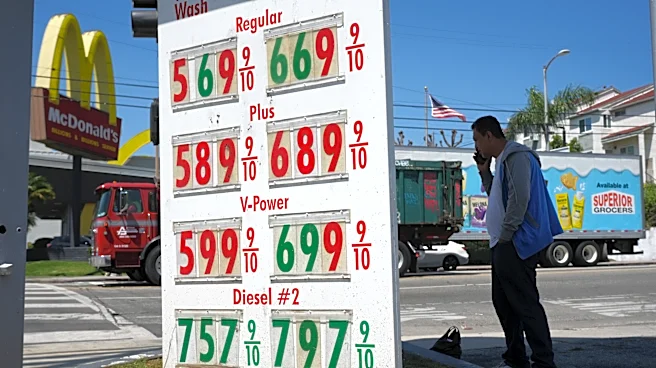
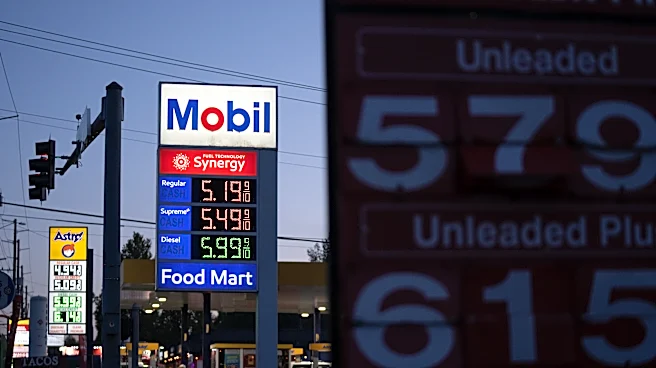
shutdown. The Iran conflict has led to a blockade of the Strait of Hormuz, driving up energy prices and contributing to inflation. Consumer spending, which accounts for 70% of U.S. economic activity, slowed to 1.6% from 1.9% in the previous quarter. Business investment, particularly in artificial intelligence, rose by 8.7%, while residential investment continued to decline.
Why It's Important?
The economic growth is tempered by the Iran conflict, which poses risks to global oil supply and energy prices. Rising energy costs are contributing to inflation, affecting consumer purchasing power and economic stability. The slowdown in consumer spending indicates potential financial strain on households, particularly those with moderate incomes. The Federal Reserve's decision to maintain interest rates reflects the uncertainty and potential economic risks associated with the geopolitical situation. The growth in business investment, driven by AI, highlights the sector's role in economic resilience.
What's Next?
The economic outlook remains uncertain due to the ongoing Iran conflict. The Federal Reserve will likely continue monitoring inflation and economic growth, with potential policy adjustments if inflationary pressures persist. Businesses and consumers may need to adapt to fluctuating energy prices and potential supply chain disruptions. The government may consider fiscal measures to support economic stability and address inflationary impacts on households.