


What's Happening?
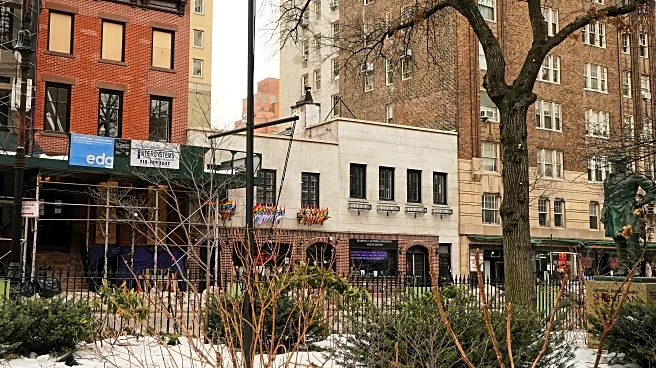
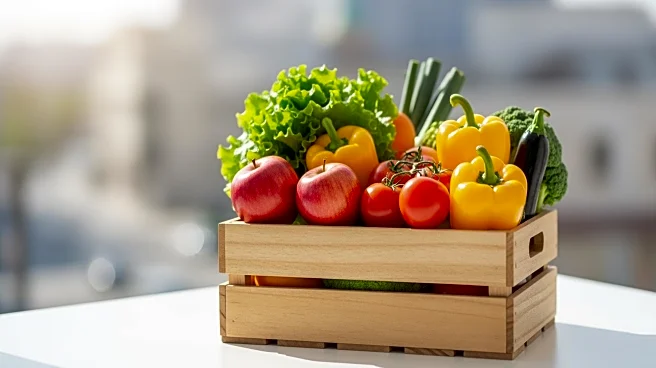
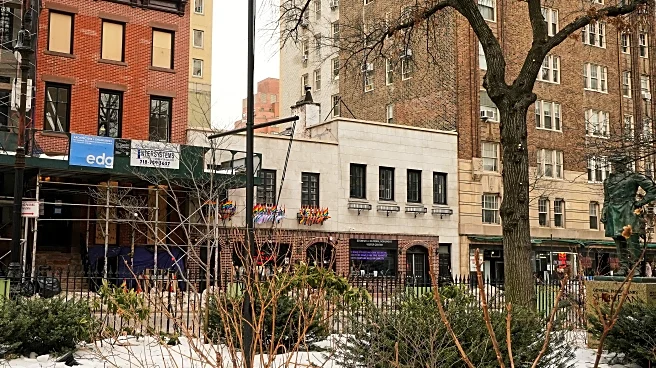
Polymarket, a prediction-market site, has opened New York City's first free grocery store in Manhattan's West Village. This initiative aims to provide food security to New Yorkers as grocery prices continue to rise. The store, which is a pop-up, will operate for five days, with a daily cap of 300 customers. Despite its limited operation, the store has attracted significant attention, with long lines forming hours before opening. The store offers basic necessities like detergent, cereal, and frozen chicken. Many of the early arrivals were women, some of whom expressed relief at the opportunity to obtain free groceries amid financial struggles. The initiative, while temporary, highlights the growing need for affordable food options in the city.
Why It's Important?
The opening of a free grocery store by Polymarket underscores the increasing financial pressure on consumers due to rising grocery prices. This initiative not only provides immediate relief to those in need but also highlights the broader economic challenges faced by many New Yorkers. The move by Polymarket, a company traditionally focused on online prediction markets, into the realm of food security reflects a unique intersection of business innovation and social responsibility. It also raises questions about the role of private companies in addressing public welfare issues, traditionally managed by government or non-profit organizations. The store's popularity indicates a significant demand for such services, potentially influencing future business models and public policy regarding food security.
What's Next?
While the Polymarket grocery store is a temporary initiative, its success could inspire similar ventures by other companies or lead to more permanent solutions to food insecurity. The attention garnered by this initiative may prompt discussions among policymakers and business leaders about sustainable ways to address rising food costs. Additionally, the response from the public and media could influence Polymarket's future strategies, possibly expanding their role in social initiatives. The outcome of this venture may also impact the company's reputation and customer base, particularly if it continues to engage in socially responsible activities.
Beyond the Headlines
The concept of a free grocery store by a capitalist enterprise like Polymarket raises interesting ethical and cultural questions. It challenges traditional views on capitalism and social welfare, suggesting a potential shift towards more socially conscious business practices. This initiative also highlights the disparities in access to basic necessities, prompting a reevaluation of how society addresses poverty and food insecurity. Furthermore, it may influence consumer expectations, with more people looking to businesses for solutions to social issues. The success of this venture could lead to a broader acceptance of corporate involvement in public welfare, potentially reshaping the landscape of social responsibility.