


What's Happening?
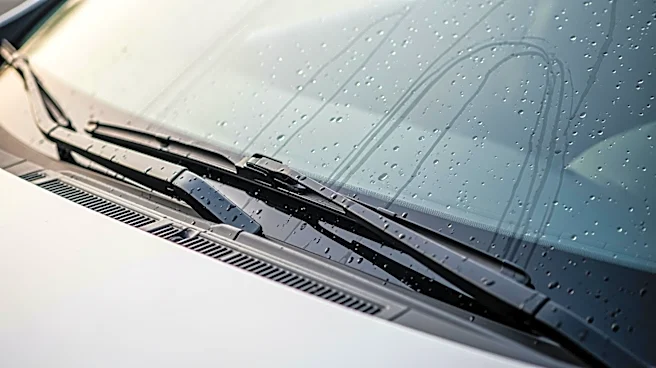
Tesla's automatic windshield wipers have been criticized for their poor performance, with many owners expressing dissatisfaction. The wipers reportedly fail to activate during significant rainfall and continue to operate on a dry windshield. This issue
has persisted despite attempts to improve the system. Additionally, when Tesla's Full Self Driving (FSD) mode is activated, the wipers automatically switch to an ineffective automatic mode. The manual wipers also present challenges, as adjusting their speed requires multiple button presses or interaction with the touchscreen, which can be distracting and inconvenient for drivers.
Why It's Important?
Windshield wipers are a critical component of vehicle safety, ensuring visibility during adverse weather conditions. Tesla's ongoing issues with wiper functionality raise concerns about the company's commitment to addressing basic safety features in its vehicles. The dissatisfaction among Tesla owners could impact the brand's reputation and customer loyalty. Furthermore, the reliance on touchscreen controls for essential functions like wiper speed adjustment highlights potential safety risks, as it requires drivers to divert their attention from the road.
What's Next?
Tesla may face increased pressure from customers and safety advocates to address the wiper functionality issues. The company could consider software updates or hardware modifications to improve the performance of both automatic and manual wipers. Additionally, regulatory bodies may scrutinize Tesla's safety features and user interface design to ensure compliance with safety standards. The situation underscores the importance of balancing technological innovation with fundamental safety requirements in automotive design.