




What's Happening?
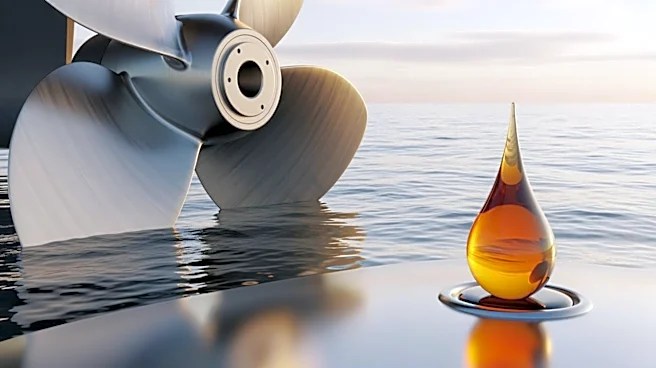
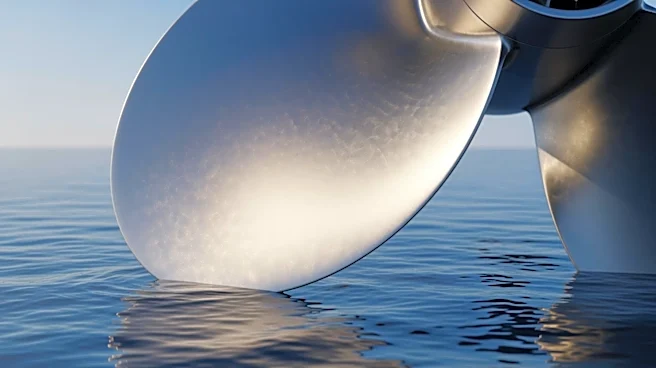
GIT Coatings has officially launched its next-generation graphene-based propeller coating system, XGIT-VORTEX, during the Posidonia 2026 event. This new system is designed to improve long-term performance retention for shipowners by addressing common
issues such as fouling build-up, cavitation-related coating damage, and loss of propeller smoothness. The XGIT-VORTEX system utilizes GIT's Amphiphilic Graphene Nanonetwork technology, featuring a three-layer coating that includes a foul-release topcoat and a reinforced mid-coat. These layers work together to maintain propeller smoothness and reduce cavitation stress, ultimately supporting stronger coating integrity and stable propeller performance over the drydock cycle. The launch follows Lloyd's Register's type approval of GIT Coatings' graphene-based hull coating, XGIT-FORCE, further solidifying the collaboration between the two entities in advancing marine coating technologies.
Why It's Important?
The introduction of XGIT-VORTEX is significant for the maritime industry as it offers a solution to enhance propeller efficiency, which is crucial for reducing fuel consumption, emissions, and maintenance costs. As shipowners increasingly focus on lifecycle efficiency and emissions performance, propulsion optimization becomes a critical component of operational strategy. The new coating system promises up to 5% fuel savings and improved propeller condition, which directly influences fuel consumption and overall operating costs. This innovation aligns with the industry's shift towards technologies designed for long-term performance, sustainability, and measurable operational value, addressing the growing demand for efficient and environmentally friendly maritime solutions.
What's Next?
With the launch of XGIT-VORTEX, GIT Coatings aims to expand its application across more vessels globally, building on its existing 600 vessel and propeller coating applications since 2022. The company will likely continue to collaborate with Lloyd's Register to further innovate and assure technical advancements in marine coating technologies. As shipowners adopt this new system, the maritime industry may see a shift towards more sustainable practices, with increased emphasis on reducing emissions and improving operational efficiency. The success of XGIT-VORTEX could lead to further developments in graphene-based technologies and their applications in other areas of maritime operations.