






What's Happening?
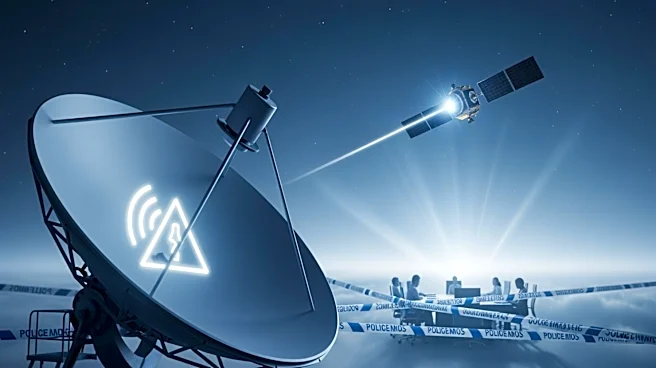
Telstra has cautioned the Australian government that low Earth orbit (LEO) satellite-to-mobile voice services are not yet reliable enough to support emergency triple zero calls. The telecommunications company highlighted that LEO satellite constellations
need to reach a 'critical mass' to ensure adequate call duration and reliability. This warning was part of Telstra's response to a parliamentary inquiry into the universal outdoor mobile obligation (UOMO). The company emphasized the need for integrated terrestrial and non-terrestrial networks to support reliable SMS, voice, and data services.
Why It's Important?
The reliability of emergency communication services is crucial for public safety. Telstra's warning underscores the challenges in deploying LEO satellite technology for critical services like emergency calls. The integration of terrestrial and satellite networks is essential to ensure seamless communication, especially in remote areas. The delay in achieving a fully operational LEO satellite network could impact the rollout of new mobile obligations and affect emergency response capabilities.
What's Next?
Telstra has called for a delay in the implementation of UOMO obligations until a comprehensive ecosystem, including a critical mass of satellites and integrated networks, is established. The company is working with its LEO satellite provider, Eutelsat OneWeb, to address current service gaps. Further developments in satellite technology and network integration are expected to enhance the reliability of emergency communication services in the future.