



What's Happening?
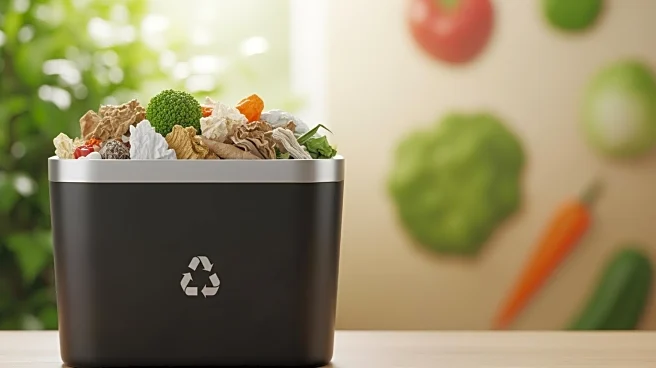
Mill, a food waste startup co-founded by Matt Rogers, has finalized a deal with Amazon and Whole Foods to expand its operations to commercial customers. The agreement involves deploying Mill's commercial-scale food waste bins in Whole Foods stores starting in 2027. These bins will process waste from the produce department, reducing landfill fees and providing feed for egg producers, thereby lowering operational costs. Additionally, the bins will collect data to help Whole Foods understand waste patterns, aiming to reduce food waste upstream. Mill's strategy began with consumer sales to build brand loyalty and proof points, which facilitated the transition to commercial partnerships.
Why It's Important?
The partnership between Mill and Whole Foods represents a significant
step in addressing food waste, a major issue in the grocery industry. By reducing waste and operational costs, Whole Foods can improve its sustainability practices and potentially increase profitability. The use of AI in Mill's bins to identify waste before it occurs could revolutionize waste management in retail, offering a competitive edge in a challenging market. This collaboration also highlights the growing importance of technology in enhancing efficiency and sustainability in business operations.
What's Next?
Mill plans to continue diversifying its business model by exploring municipal partnerships, adding more 'legs to the stool' to ensure business stability. The successful implementation of its technology in Whole Foods could lead to further commercial opportunities and expansion into other sectors. As the company refines its AI capabilities, it may attract more partnerships with businesses seeking to improve their waste management and sustainability practices.
Beyond the Headlines
The integration of AI in waste management not only addresses environmental concerns but also reflects broader trends in technology adoption across industries. As companies like Mill leverage AI to enhance operational efficiency, they contribute to a shift towards more sustainable business practices. This development could influence other sectors to adopt similar technologies, promoting a culture of innovation and environmental responsibility.