
What's Happening?
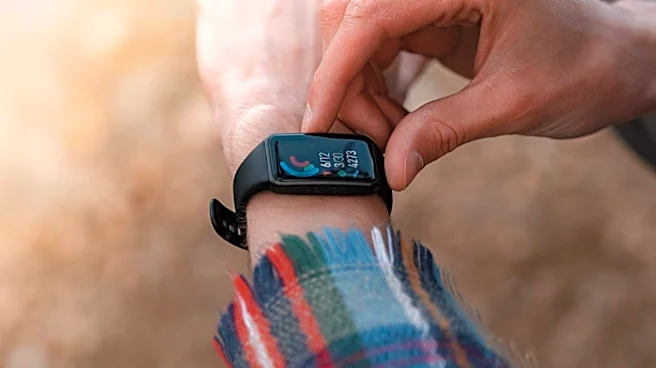
The rise of wearable technology, such as the Oura ring and Whoop watch, has enabled individuals to track various health metrics in real time, contributing to a growing $7 trillion wellness economy. These
devices provide insights into sleep patterns, heart health, and overall wellness, allowing users to take a proactive approach to their health. However, experts warn that excessive tracking can lead to mental health issues, including anxiety and disordered eating. Dr. Nisha Chellam, a physician at Parsley Health, emphasizes the importance of clinical guidance alongside digital health tools, as the wearable space remains largely unregulated. Jess Scheer, CEO of The National Eating Disorders Association, highlights the association between obsessive tracking and eating disorders, urging individuals to seek help if data begins to control their thoughts and behaviors.
Why It's Important?
The proliferation of health-tracking devices reflects a significant shift in how individuals engage with their health data, moving from passive recipients to active participants. While this democratization of health information can empower users, it also poses risks if not managed properly. The potential for overtracking to exacerbate mental health issues underscores the need for balanced use and professional interpretation of health data. As the wellness economy continues to expand, ensuring that consumers have access to accurate and meaningful health insights without falling into the trap of data obsession is crucial. This development highlights the need for regulatory oversight and the integration of clinical expertise in the wearable technology market.
What's Next?
As wearable technology becomes more prevalent, there is a growing need for regulatory frameworks to ensure the safe and effective use of health data. Healthcare professionals may increasingly play a role in helping individuals interpret their data and make informed health decisions. Additionally, the industry may see a push towards developing tools that provide actionable insights rather than overwhelming users with raw data. The balance between empowering individuals with health information and preventing data-driven anxiety will be a key focus for both technology developers and healthcare providers.
Beyond the Headlines
The ethical implications of health data tracking extend beyond individual mental health concerns. The potential for data misuse, privacy breaches, and the commercialization of personal health information raises questions about the responsibilities of tech companies and the rights of consumers. As the line between health and technology blurs, society must navigate the challenges of ensuring that advancements in health tracking benefit users without compromising their well-being or privacy.