






What's Happening?
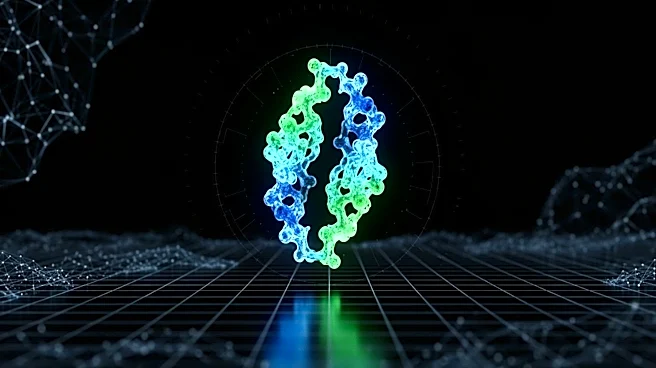
Reid Hoffman, cofounder of LinkedIn and Manas AI, has identified the use of artificial intelligence in drug discovery as a significant opportunity for revenue generation. Speaking on 'The Possible Podcast,' Hoffman emphasized the potential of AI in medicine,
suggesting that the market for AI-driven drug discovery is larger than the current AI chatbot market, which includes major players like OpenAI and Anthropic. Manas AI, Hoffman's biopharmaceutical company, utilizes AI models to streamline the drug discovery process, aiming to reduce the time and cost associated with bringing new medicines to market. Hoffman noted that the process of developing a drug and getting it to market can take over a decade, highlighting the need for more efficient methods. He also pointed out that the pharmaceutical industry allows for legal monopolies on drugs, with patents lasting up to 20 years, providing a lucrative opportunity for companies that can successfully innovate in this space.
Why It's Important?
The integration of AI in drug discovery represents a transformative shift in the pharmaceutical industry, potentially reducing the time and cost of developing new medications. This could lead to faster access to treatments for patients and significant financial gains for companies that successfully leverage AI technology. The potential for AI to uncover new drugs and streamline the development process could address unmet medical needs and improve healthcare outcomes. Additionally, the legal monopolies granted by drug patents offer a substantial financial incentive for companies to invest in AI-driven drug discovery. As more AI startups enter the biopharmaceutical space, the competition could drive innovation and efficiency, ultimately benefiting both the industry and consumers.
What's Next?
As AI continues to gain traction in the pharmaceutical industry, more companies are likely to invest in AI-driven drug discovery. This could lead to increased competition and innovation, potentially resulting in a wider range of treatments becoming available more quickly. Regulatory bodies like the FDA may need to adapt to the changing landscape by developing new guidelines for AI-assisted drug development. Additionally, the success of AI in this field could encourage further investment in AI technologies across other sectors of healthcare, potentially leading to broader advancements in personalized medicine and patient care.