







What's Happening?
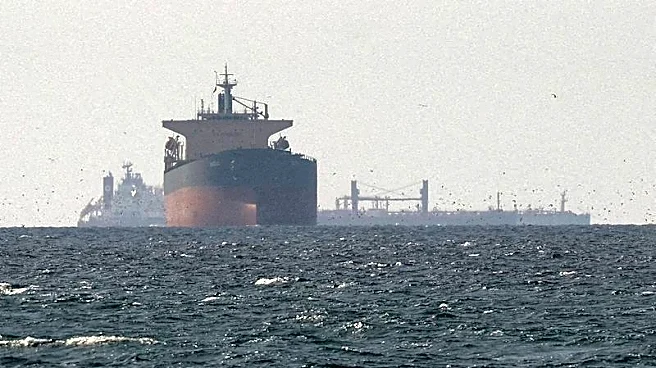
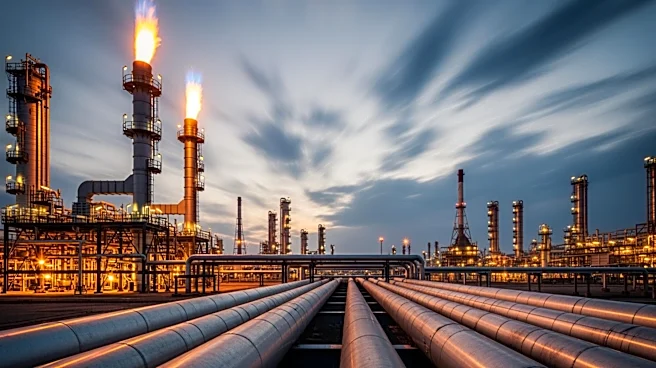
U.S. energy companies have heavily invested in liquefied natural gas (LNG) export terminals along the Gulf Coast, aiming to meet the high demand from Europe and Asia. However, the ongoing conflict in Iran has disrupted global energy markets, prompting
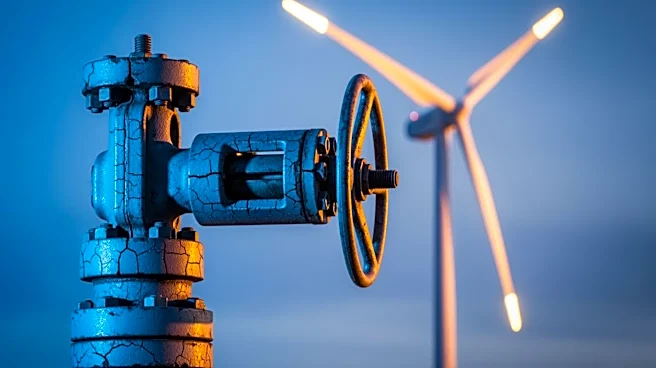
countries in Asia and Europe to reconsider their reliance on imported fossil fuels. Nations are now exploring alternative energy sources, such as coal, nuclear, and electric vehicles, to reduce dependency on foreign imports. This shift poses a significant challenge to American energy firms, as their expansion plans may be jeopardized by the changing energy landscape. The research firm Wood MacKenzie suggests that if the disruption continues, it could lead to a structural shift in global energy systems, potentially reducing the consumption of imported oil and gas by half by 2050.
Why It's Important?
The shift away from U.S. fossil fuels could have profound implications for the American energy sector. As countries seek to insulate themselves from geopolitical risks associated with oil and gas, U.S. energy firms may face reduced demand for their exports. This could impact the profitability and viability of planned LNG projects, affecting jobs and economic growth in regions dependent on energy exports. Additionally, the move towards alternative energy sources may accelerate the transition to cleaner energy globally, influencing climate change policies and environmental strategies. The uncertainty in the fossil fuel market underscores the need for U.S. companies to adapt to evolving energy demands and explore sustainable energy solutions.
What's Next?
Countries affected by the energy disruption are likely to continue pursuing alternative energy projects to reduce reliance on imported fossil fuels. This includes fast-tracking solar, wind, and nuclear initiatives, as seen in nations like the Philippines, Vietnam, and Indonesia. For U.S. energy firms, the focus may shift towards securing long-term contracts and exploring new markets to sustain demand. The industry may also need to innovate and invest in cleaner energy technologies to remain competitive. Policymakers and industry leaders will need to navigate these changes carefully to ensure energy security and economic stability.