





What's Happening?
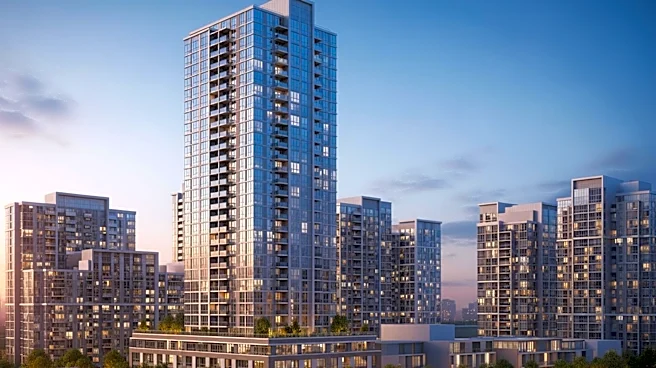
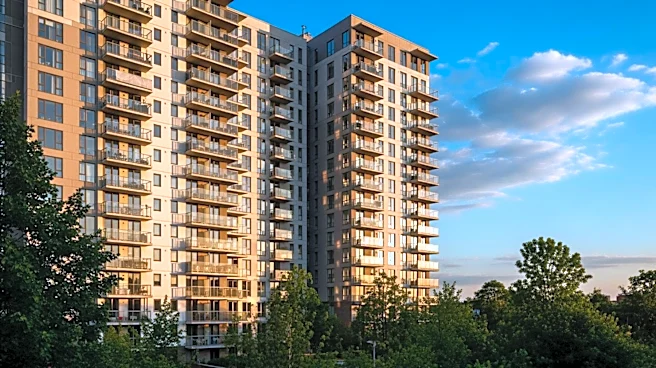
The Northeast region of the United States is experiencing a significant increase in apartment construction, which may lead to a decrease in rent prices. In the first quarter of 2026, the Northeast saw a 42% year-over-year increase in completed multifamily
units, making it the only region in the U.S. to record growth in this sector. This surge is attributed to the region's tight for-sale housing market and solid wage growth, which are keeping rental occupancy levels high. Developers are responding by increasing the number of new projects, with multifamily starts in the Northeast nearly doubling from the previous year. This expansion is expected to provide relief to renters as the supply of rental units increases, potentially driving down rent prices.
Why It's Important?
The increase in apartment construction in the Northeast is significant as it addresses the high demand for rental housing in the region. With the cost of homeownership remaining high, more individuals are opting to rent, which has historically kept rental prices elevated. The new supply of rental units is expected to alleviate some of this pressure, making housing more affordable for renters. This development is particularly important in cities like Boston and Philadelphia, where median asking rents have already begun to decrease. The trend could also influence other regions to increase their housing supply, potentially leading to a more balanced national rental market.
What's Next?
As the Northeast continues to expand its rental housing supply, other regions may follow suit to address their own housing shortages. The South, for example, has also seen a boost in multifamily construction starts, which could lead to similar outcomes in terms of rent prices. However, the West faces challenges due to higher construction costs and slower rent growth, which may limit new developments. Policymakers and developers in the Northeast will likely continue to focus on zoning reforms and affordable housing incentives to support further growth in the rental market.