

What's Happening?
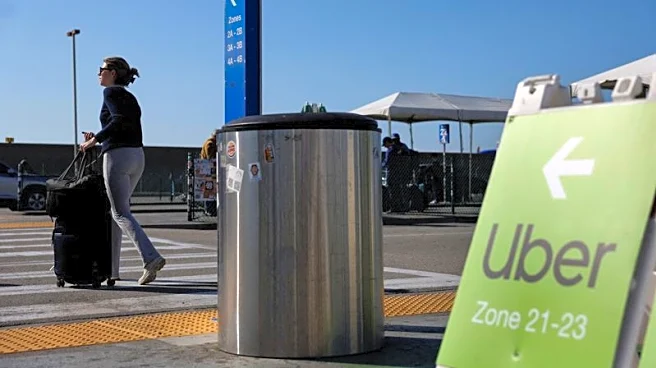
Uber, in collaboration with Motional, has relaunched its robotaxi service in Las Vegas, utilizing all-electric IONIQ 5 vehicles. Initially, these autonomous vehicles will operate with a human safety operator, with plans to transition to fully driverless
operations by the end of 2026. The service is available in key locations along the Las Vegas Strip and other designated areas. This relaunch marks a significant milestone for Motional, which had previously paused operations and restructured its workforce. The initiative is part of Uber's broader strategy to integrate autonomous vehicles into its ride-hailing platform, enhancing service options for customers.
Why It's Important?
The relaunch of Motional's robotaxi service in Las Vegas represents a critical step in the commercialization of autonomous vehicle technology. For Uber, this initiative aligns with its goal to expand autonomous mobility solutions, potentially reducing operational costs and increasing service efficiency. The presence of a human operator during the initial phase addresses safety concerns and regulatory requirements, paving the way for future driverless operations. This development could accelerate the adoption of autonomous vehicles in urban environments, influencing transportation policies and infrastructure planning. The success of this venture may also impact the competitive landscape of the ride-hailing industry.
What's Next?
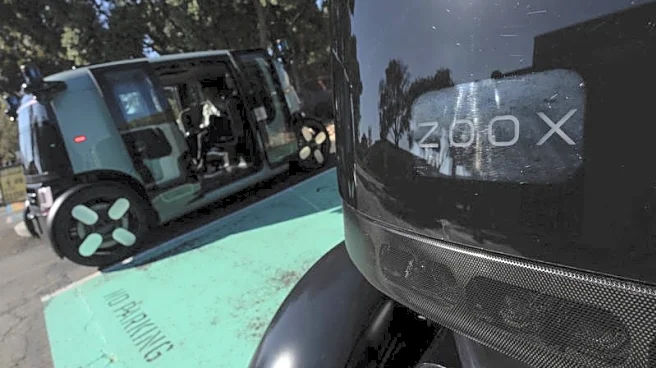
As Uber and Motional aim to remove human operators by the end of 2026, the focus will be on ensuring the safety and reliability of the autonomous technology. The companies plan to expand the service area, although specific details have not been disclosed. Regulatory approval and public acceptance will be crucial factors in the transition to fully driverless operations. Additionally, Uber's partnerships with other autonomous vehicle companies, such as Zoox and Wayve, indicate a broader strategy to diversify its autonomous offerings. The outcome of these initiatives could shape the future of urban mobility and influence global transportation trends.