







What's Happening?
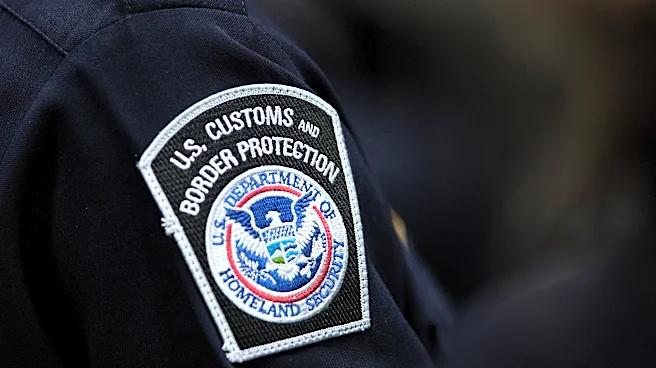
The U.S. Customs and Border Protection (CBP) has launched a new tariff refund portal, known as the Consolidated Administration and Processing of Entries (CAPE), to process refunds for tariffs imposed under the International Emergency Economic Powers Act
(IEEPA) by President Trump. However, businesses have reported significant issues with the system, including error messages and account problems. Rick Woldenberg, CEO of Learning Resources, and Beth Benike, co-founder of Busy Baby, are among those who have experienced difficulties. The portal is designed to handle up to $175 billion in refunds owed to importers, but technical glitches have hindered the process. The CBP is investigating these issues, and the system's initial deployment aims to refund up to 82% of IEEPA duty payments.
Why It's Important?
The successful operation of the CAPE portal is crucial for businesses affected by the tariffs, as many have faced financial strain due to increased costs. The refunds are expected to provide much-needed relief, allowing companies to reinvest in their operations and potentially pass savings onto consumers. The portal's issues highlight the challenges of implementing large-scale government systems and the importance of efficient processing to support economic recovery. The situation underscores the broader impact of trade policies on U.S. businesses and the need for effective administrative solutions.
What's Next?
The CBP plans to address the technical issues with the CAPE portal to ensure smooth processing of refund claims. Businesses are eager for a resolution, as timely refunds could influence their financial strategies and consumer pricing. The agency has committed to issuing refunds within 60 to 90 days of claim approval, but delays may occur if errors need correction. The outcome of this process will be closely watched by stakeholders, including importers and policymakers, as it may affect future trade policy decisions.