




What's Happening?
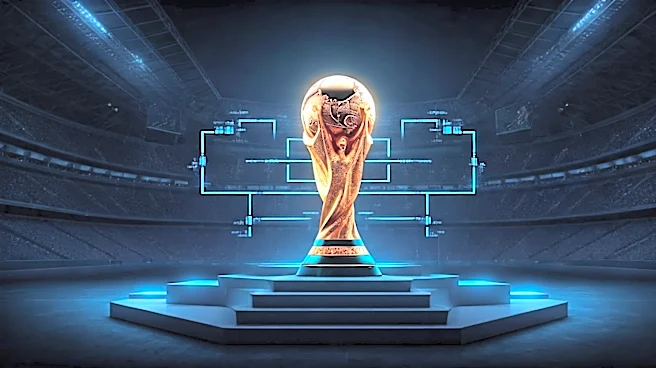
FIFA's decision to expand the 2026 World Cup by increasing the number of teams and groups has sparked debate among fans and analysts. The tournament now features 12 groups and 48 teams, allowing more nations to participate, including first-time entrants
like Cape Verde and Uzbekistan. However, critics argue that this expansion dilutes the quality of the competition, as it allows more third-place teams to advance to the knockout stages. This change is seen as part of a broader trend in sports where tournaments are expanded to include more teams, potentially at the expense of competitive integrity.
Why It's Important?
The expansion of the World Cup reflects a growing trend in sports to increase the number of participants in major tournaments, often driven by commercial interests. While this can provide opportunities for smaller nations to compete on the world stage, it also raises concerns about the impact on the quality and competitiveness of the event. Fans and stakeholders may question whether such expansions serve the best interests of the sport or primarily benefit governing bodies and sponsors. The debate highlights the tension between maintaining the prestige of elite competitions and maximizing revenue through broader participation.
Beyond the Headlines
The expansion of the World Cup could have long-term implications for the sport, including changes in how teams prepare and compete at the international level. It may also influence other sports organizations to consider similar expansions, potentially altering the landscape of global sports competitions. Additionally, the decision raises ethical questions about the balance between commercial interests and the integrity of the sport, prompting discussions about the role of governing bodies in preserving the essence of competitive events.