




What's Happening?
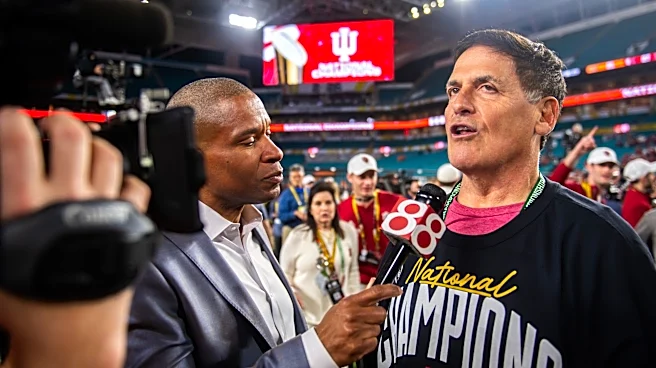
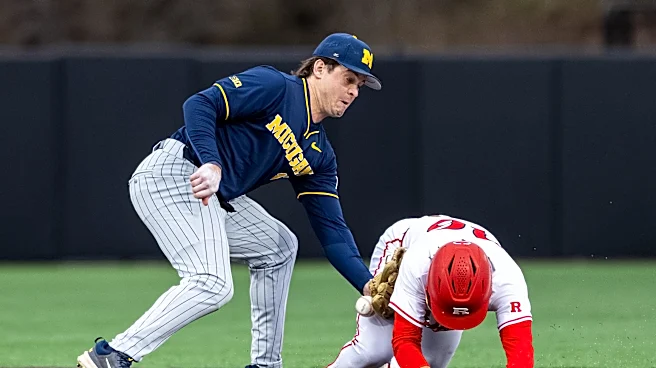
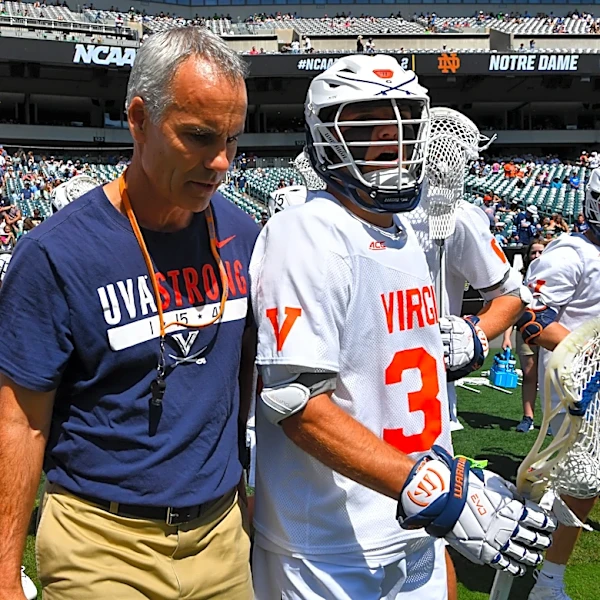
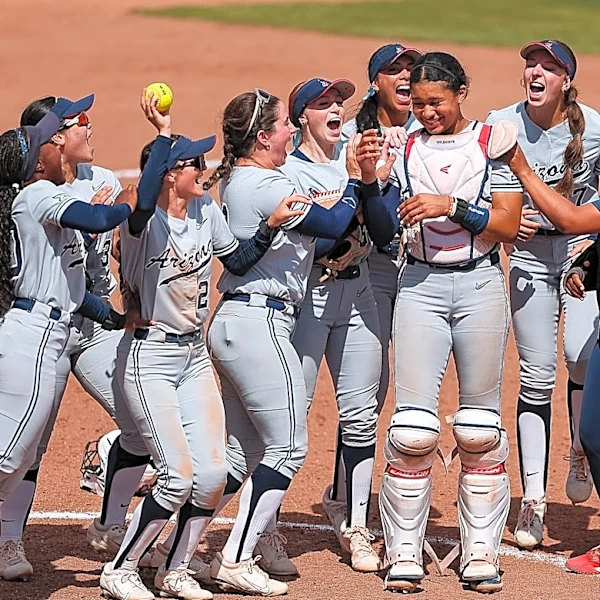
The Big Ten Conference is increasingly asserting its influence in the landscape of college sports, as highlighted during its annual spring meetings in Rancho Palos Verdes, California. The conference, which includes prominent teams like Indiana, Michigan,
and UCLA, is showcasing its recent successes, such as NCAA championships in basketball, to bolster its standing. The Big Ten is actively involved in discussions about the expansion of the College Football Playoff and is advocating for reforms in Name, Image, and Likeness (NIL) payments for athletes. The conference's growing power and wealth have positioned it at odds with other major conferences like the SEC, particularly regarding the size of the playoff and other governance issues.
Why It's Important?
The Big Ten's assertive stance is significant as it reflects a shift in the power dynamics of college sports. By leveraging its recent successes and financial strength, the conference is influencing key decisions that could reshape the future of college athletics. The debates over playoff expansion and NIL reforms have wide-reaching implications for athletes, universities, and the broader sports industry. The Big Ten's position could lead to changes in how college sports are governed, potentially affecting revenue distribution, athlete compensation, and competitive balance across conferences. This development underscores the growing importance of financial and competitive clout in shaping the future of college sports.
What's Next?
As the Big Ten continues to push for its agenda, the coming months will likely see intensified negotiations with other conferences and stakeholders. The conference's stance on playoff expansion and NIL reforms will be pivotal in upcoming discussions, particularly as deadlines for decisions approach. The Big Ten's ability to influence these outcomes will depend on its ability to build consensus or leverage its position against opposing views, especially from the SEC. The outcomes of these negotiations could set precedents for future governance and financial models in college sports.